1. FTZ Operators Confront Restrictive Duty Deferral Clauses Under USMCA
American foreign-trade zone operators are pressing Congress and trade regulators to fix a legal quirk that penalizes domestic factories selling into Canada and Mexico. The National Association of Foreign-Trade Zones has taken the fight to Capitol Hill, pointing directly to rules embedded in the United States-Mexico-Canada Agreement. Under current enforcement by U.S. Customs and Border Protection, companies assembling goods inside designated foreign-trade zones face higher tariff liabilities than competitors producing identical goods in standard non-zone plants down the road.
The issue stems from Article 2.5 of the trade pact, which restricts duty deferral and drawback programs across North America. When a manufacturer inside an FTZ imports foreign components, it must pay full non-preferential duties on those inputs if the finished good heads north to Ontario or south to Coahuila. If that same company worked outside a designated zone, it could tap preferential tariff rates or bypass inverted tariff penalties. The trade coalition says the policy actively discourages industrial investment in the United States.
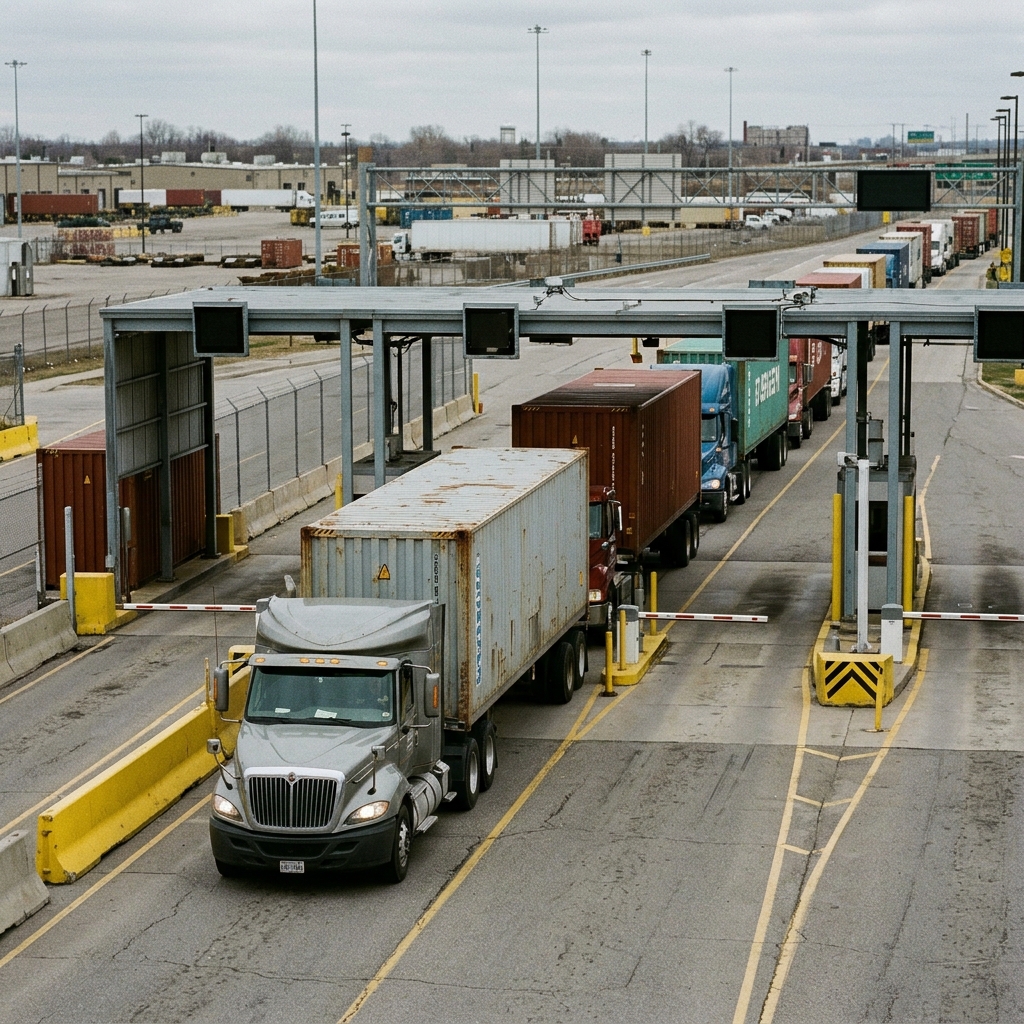
Finished goods crossing the Ambassador Bridge and moving along CPKC rail lines carry billions in zone-processed products each quarter. Submissions to the U.S. International Trade Commission show that these duty mismatches hit machinery, electronics, and transportation equipment makers hardest. Corporate executives report that the compliance hurdles tack on up to 4.5 percent in avoidable landed costs on cross-border shipments. In practice, zone administrators say, the current language turns trade zones into an administrative drag rather than a competitive export tool.
2. Industrial Corridors and Automotive Networks Absorb Inverted Tariffs
The automotive network connecting Southern Ontario, the American Midwest, and Northern Mexico absorbs the brunt of these customs technicalities. Car parts often cross international borders up to eight times before reaching an assembly plant. When components move through foreign-trade zones in Ohio, Michigan, or Texas, customs brokers have to run dual-entry tariff calculations. Parts subject to Section 301 tariffs on Chinese goods face immediate assessment when entering domestic commerce, even if the completed assembly is immediately loaded onto a truck bound for Windsor, Ontario.
Canadian parts producers managing supply chains across the Blue Water Bridge see their operating margins tighten as a result. Magna International, Linamar, and other Tier-1 suppliers run plants on both sides of the border. When American feeder facilities in FTZs build wire harnesses or engine blocks using offshore parts, shipping the finished unit to Canada triggers restrictive rules of origin calculations. Standard factories can regularly rely on regional value content formulas to curb tariff exposure. FTZ users run straight into statutory caps.
The problem worsens when raw materials carry higher tariffs than the finished goods they become. Zone operators refer to this setup as an inverted tariff structure. Standard domestic manufacturers can defer or erase component duties by exporting finished goods under standard tariff schedules. FTZ users cannot claim duty drawback on exports to Canada and Mexico because of legacy NAFTA restrictions carried straight into the USMCA. The resulting tariff bills force logistics teams to bypass foreign-trade zones entirely.
3. Capitol Hill Friction and the 2026 Joint Review Window
Bipartisan bills in the Senate and House aim to amend the Foreign-Trade Zones Act of 1934 to level the playing field. The proposed changes would give FTZ manufacturers the right to choose whether they pay duties on foreign components or finished goods when exporting under USMCA preferential rules. The Office of the United States Trade Representative has moved slowly on the issue, hesitant to reopen tariff debates ahead of the formal 2026 joint review of the pact.
Canada and Mexico have an immediate interest in how the legislative push plays out. The Canada Border Services Agency and Mexico's Tax Administration Service monitor trade zone inputs to enforce regional transformation rules. If Washington alters FTZ rules without trilateral consensus, Canadian trade officials could challenge the policy before a USMCA dispute panel under Chapter 31. Negotiators in Ottawa insist that any changes to duty deferral programs must not turn into an industrial subsidy that pulls manufacturing jobs out of Canada.
At the same time, Canadian industrial buyers want relief from the higher prices passed along by American suppliers. The Canadian Manufacturers and Exporters association has warned that border friction inflates capital equipment costs for domestic plants. When an American machinery builder in an FTZ pays unnecessary duties on German hydraulic pumps, Canadian factories pay the difference. Trade lawyers say a joint regulatory fix across all three capitals offers the most durable solution.
4. Supply Chain Recalibration Across Great Lakes and Borderlands Corridors
Logistics directors working the Pacific Gateway and the Port of Laredo are overhauling their warehouse footprints while waiting on lawmakers. CPKC rail routes connecting Mexican industrial centers with Chicago and Montreal continue to handle heavy container volumes, but shippers remain hesitant to route cross-border freight through bonded facilities. Freight forwarders say multinational firms are now running duplicate warehouse setups: one building for domestic American orders, and another for USMCA exports. The split footprint doubles real estate and inventory expenses.
The push for regional industrial autonomy highlights the friction between continental integration and protectionist customs policies. Borrowing costs remain elevated under Federal Reserve and Bank of Canada interest rate regimes, making tied-up capital on tariff deposits an expensive burden for industrial firms. When corporate treasuries must freeze millions in customs bonds while waiting for duty determinations, return on invested capital drops across North American business units. Plant managers need regulatory certainty before signing off on fresh capital investments in the Great Lakes region.
The dispute over FTZ operations shows how minor technicalities in customs enforcement can undermine broad trade agreements. As manufacturing shifts away from East Asia and returns to North America, statutory clarity dictates where companies deploy capital. Amending the USMCA restrictions on foreign-trade zones could clear out substantial supply chain friction between the United States, Canada, and Mexico. Until Washington, Ottawa, and Mexico City reach terms, cross-border manufacturers will keep paying extra at the frontier.