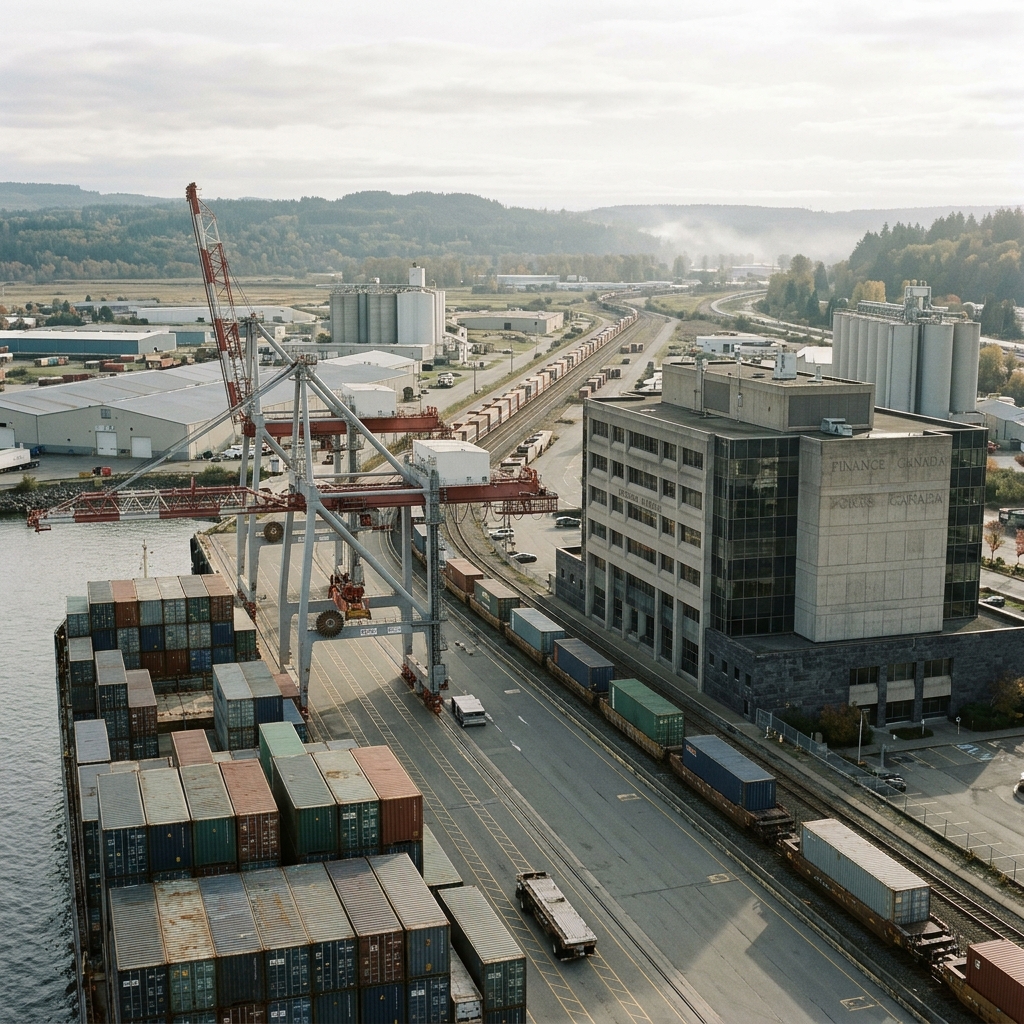
1. Ottawa and Beijing Swap Tariff Relief on Pork, Seafood, Steel and Aluminum
Canada and China have agreed to ease retaliatory tariffs on Canadian pork and seafood and on Chinese steel and aluminum, Euronews.com reports. It is the first concrete tariff de-escalation between Ottawa and Beijing since Canada imposed a 100% surtax on Chinese electric vehicles and a 25% surtax on Chinese steel and aluminum in 2024. China responded with anti-dumping probes and 25% duties on Canadian pork and seafood. Officials have not released a full schedule. Customs notices are expected from the Canada Border Services Agency and China's Ministry of Commerce.
The relief is partial. Canada's 100% surtax on Chinese electric vehicles remains in place. China's 100% tariff on Canadian rapeseed oil and meal has not been removed, according to Euronews. The easing covers specific tariff lines for chilled and frozen pork, lobster, crab and shrimp from Canada, plus selected steel and aluminum products from China. The Department of Finance in Ottawa and China's State Council Tariff Commission must publish formal orders before importers can claim the lower rates. Expect a gap between the political announcement and the first customs entries.
Industry groups have pressed for relief for months. Canadian pork producers shipped about C$500 million of pork to China in 2023, according to Canada Pork International. Atlantic seafood exporters rely on Chinese buyers for lobster and crab. Chinese steel and aluminum exporters use Canadian ports and rail links to reach North American supply chains, a point U.S. customs officials have raised. The Canadian Steel Producers Association and the Aluminum Association of Canada have warned that any easing must include strict origin checks. The first test is whether CBSA and U.S. Customs and Border Protection can track transshipment risk.
2. Steel, Pork and Seafood Importers Face New Customs Math
Canada's 25% surtax on Chinese steel and aluminum sits in the Customs Tariff and is collected by the Canada Border Services Agency at the border. Importers declare the surtax on their customs entry and pay it before release. A reduction would lower landed costs for Canadian manufacturers that buy Chinese steel plate, aluminum extrusions and wire products. Domestic mills in Hamilton, Sault Ste. Marie and Quebec have argued that Chinese overcapacity distorts North American prices. The Department of Finance has said any change will include anti-circumvention rules. The Canada Revenue Agency does not collect the surtax. Corporate tax filings will reflect lower input costs.
On the Canadian side, pork and seafood exporters need Chinese import approvals and health certificates from the Canadian Food Inspection Agency. China's General Administration of Customs controls registration of foreign food facilities. Lower tariffs do not remove those non-tariff barriers. Canadian pork plants in Manitoba, Quebec and Ontario must keep their Chinese registrations current. Seafood exporters in Nova Scotia and Newfoundland and Labrador face the same paperwork. The relief will matter most for frozen pork cuts and live lobster. A 25% duty had pushed Canadian product above Brazilian and European competitors in Chinese wholesale markets.
Financial markets will watch the pass-through into goods prices. The Bank of Canada's preferred core inflation measures include food and durable goods. A lower tariff on pork and seafood could trim grocery costs at the margin. The Federal Reserve will watch whether Chinese steel and aluminum diverted from Canada enters U.S. markets through Mexico or via Great Lakes shipping. The loonie's trade-weighted index has moved in a narrow range since the Euronews report. A 25 basis point move in short-term rate expectations would matter more for exporters than the tariff cut itself.
3. USMCA Rules and Border Agencies Constrain the Tariff Reset
Canada's room to ease steel and aluminum duties is limited by USMCA. U.S. Customs and Border Protection applies Section 232 tariffs on steel and aluminum from most countries, and Canada is a major transit route for Chinese metal. If Canada lowers its surtax, CBP will increase scrutiny of imports that claim Canadian origin under USMCA rules. The Canada Border Services Agency must verify that Chinese steel and aluminum do not receive Canadian origin through minimal processing. USMCA dispute panels could hear challenges from U.S. producers if transshipment rises. Ottawa has said the relief will include origin certification and audit requirements.
The customs details matter. Importers must classify goods under the Harmonized System, declare country of origin and pay anti-dumping duties where they apply. Canada's Special Import Measures Act covers steel and aluminum cases. The Canadian International Trade Tribunal can impose duties after injury findings. A lower surtax does not cancel anti-dumping duties. The Canada Revenue Agency administers corporate income tax and GST/HST credits, and importers should keep customs entries for audit. China's Ministry of Commerce will issue its own implementing rules. The two customs systems will not move in lockstep, so importers face a period of mismatched effective dates.
Freight corridors will feel the change first. The Ambassador Bridge and Blue Water Bridge carry truck traffic between Ontario and Michigan. Steel and aluminum coils move by rail on CPKC and CN networks. Canadian pork and seafood reach China through the Pacific Gateway ports of Vancouver and Prince Rupert, then by container ship to Shanghai and Shenzhen. A tariff cut can shift booking patterns within weeks. Cold-chain capacity at the Port of Vancouver and CPKC rail schedules will determine how fast Canadian exporters can regain shelf space in Chinese supermarkets.
4. A Sectoral Truce Tests Canada's U.S. and China Balancing Act
The tariff easing is a sectoral truce, not a broader reset. Canada's Indo-Pacific strategy calls for deeper trade with Asia while protecting North American supply chains. China's retaliation against Canadian canola remains in place. The 100% EV surtax is a political commitment to the U.S. and European Union. Ottawa must show Washington that lower steel and aluminum duties do not weaken USMCA enforcement. Beijing must show Canadian exporters that lower pork and seafood tariffs will survive its next trade policy review. The deal gives both governments a narrow win without forcing a larger strategic choice.
Producers will calculate the gains by product line. Canadian pork exports to China were worth about C$500 million before the 2025 duties. A 25% tariff cut could restore margins for frozen loins and hams. Atlantic lobster and crab exporters face competition from Australia and New Zealand. Canadian steel and aluminum importers gain lower input costs, but domestic mills in Ontario and Quebec will ask for safeguards if Chinese volumes jump. The Aluminum Association of Canada has called for monitoring of Chinese extrusions. The Canadian Steel Producers Association wants CBSA audits and a cap on tariff relief.
The next six months will decide whether the truce holds. Bank of Canada rate decisions and Federal Reserve policy will shape the loonie and the cost of working capital for exporters. CBP and CBSA will report transshipment cases. USMCA dispute panels may review any new origin rules. China's Ministry of Commerce will watch Canada's EV surtax. If the tariff relief survives those tests, it could become a model for limited de-escalation. If it fails, the corridor from the Pacific Gateway to the Ambassador Bridge will carry more risk.