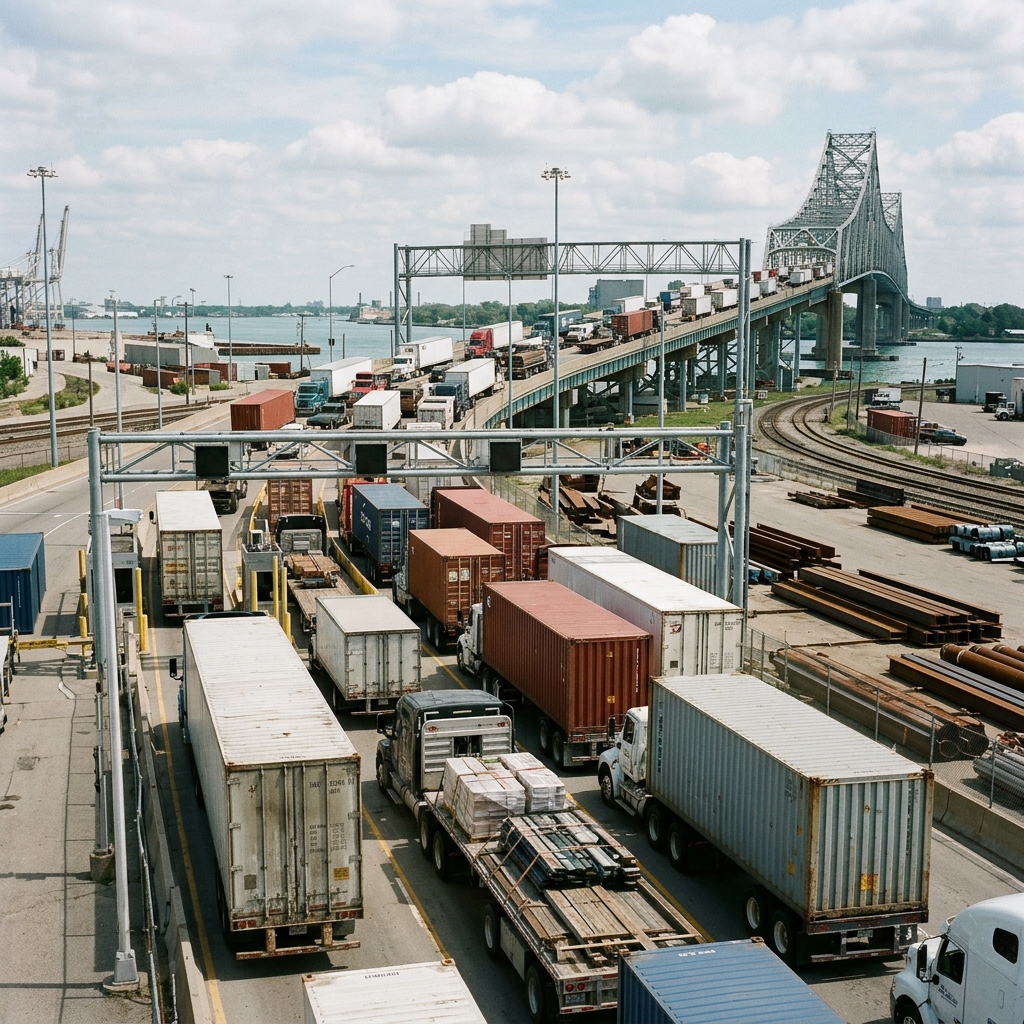
1. Ottawa Recalibrates Countermeasures to Protect Core Manufacturing
The federal government altered its retaliatory tariff schedule this week. The changes grant targeted exemptions to Canadian manufacturers reliant on US steel, while simultaneously withdrawing relief on select aluminum lines. Officials in Ottawa designed the update to relieve immediate cost pressures for automotive suppliers along the Windsor-Detroit corridor. Tier-1 and Tier-2 parts makers have spent over a year absorbing steep surcharges on high-strength alloy sheets that lack domestic substitutes. The Department of Finance confirmed the new schedule following private consultations with domestic industrial federations.
The policy balances relief for parts makers with a firm stance on trade. Broadening exemptions for specific steel products prevents further margin erosion for domestic fabricators, but keeps retaliatory leverage against Washington intact. At the same time, ending exemptions on certain imported aluminum lines penalizes US suppliers that compete directly with Canadian smelters in Quebec and British Columbia. Domestic primary producers, led by operations along the Saguenay River, have consistently lobbied the cabinet to close gaps that allow American metal to enter duty-free during bilateral disputes.
Trade data shows that earlier exemption lists failed to track shifting cross-border product classifications. Automotive suppliers moving assemblies across the Ambassador Bridge reported substantial administrative backlogs with the Canada Border Services Agency (CBSA). In several filings, border officers reclassified incoming shipments of specialized cold-rolled coil, hitting importers with retroactive surtaxes of up to 25 percent. The updated regulations clarify these classifications, offering stability for corporate balance sheets ahead of the next fiscal quarter.
2. Aluminum Smelters Gain Ground as Secondary Processors Face Margin Squeeze
Ending duty exemptions on specific unwrought aluminum grades is a clear win for domestic primary smelters, but it creates operational headaches for downstream extrusion plants. Canadian primary producers turn out low-carbon aluminum using regional hydroelectric power. However, specialized extruders in Ontario often import secondary alloys from mills in Ohio and Pennsylvania. By canceling remission orders on these alloys, the federal government forces processors to absorb import surcharges or spend capital retooling lines for domestic billets.
Industrial buyers state that domestic capacity cannot replace specialized foreign alloys quickly. Extrusion plants supplying the commercial construction and transit sectors run on thin operating margins, typically between 4 and 7 percent. Tariffs on these inputs lift procurement costs for railcar builders and window frame makers throughout Central Canada. Several trade groups have filed objections with the Canadian International Trade Tribunal (CITT), warning that the sudden revocation creates shortages and stretches delivery timelines by four to six months.
Conditions in the primary metals market vary significantly by region. Rio Tinto and Alcoa operations in Quebec maintain steady southbound export volumes into the US Midwest, but Ontario's downstream fabricators depend on integrated supply chains. Freight trains on CPKC and CN tracks routinely haul billets, scrap, and finished parts across the international border multiple times before final assembly. Removing tariff exemptions disrupts this circuit and drives up costs for intermediate processors.
3. Customs Enforcement Tightens Under USMCA Rules of Origin
These regulatory revisions come as the CBSA and US Customs and Border Protection (CBP) ramp up origin verifications. Under USMCA Chapter 4, regional value content thresholds for automotive components continue their phased climb toward 75 percent. To secure preferential tariff treatment, companies must document the complete production trail of their base metals. The cancellation of Canadian aluminum exemptions raises the stakes for compliance officers auditing bills of lading at high-volume crossings, including the Blue Water Bridge in Sarnia.
Importers must now handle conflicting cross-border standards for remelted scrap and primary casting alloys. CBP auditors regularly penalize Canadian exporters who cannot verify that third-country raw materials remained outside their production lines. At the same time, CBSA audits focus on whether US-origin aluminum qualifies under the revised remission rules. Corporate legal teams are directing industrial clients to conduct full supply chain audits to avoid penalties from customs authorities on both sides of the border.
Financial reporting rules require firms to disclose these liabilities on corporate balance sheets. Manufacturers listed on the Toronto Stock Exchange face stricter requirements regarding input tariff exposures and supply chain vulnerabilities. Procurement directors are reacting by overhauling long-term vendor agreements. Many are adding clawback clauses to contracts with US suppliers to offset customs reclassifications, while adjusting cash reserves to meet higher import bond requirements.
4. Strategic Repositioning Ahead of the 2026 USMCA Joint Review
Ottawa's tactical tariff changes are part of a broader strategy leading into the USMCA joint review scheduled for 2026. Bilateral trade generates more than two billion dollars in daily commercial traffic, with steel and aluminum serving as regular points of friction. By demonstrating that it can adjust exemptions as market conditions shift, Canada is signaling to the United States Trade Representative (USTR) that it will defend domestic smelters while protecting its integrated manufacturing base.
Wider macroeconomic pressures are adding to the tension. The Bank of Canada and the Federal Reserve are pursuing separate policy paths to manage growth and inflation, affecting exchange rates and bilateral trade balances. A weaker Canadian dollar makes US metal imports pricier in local currency, compounding the sting of remaining tariffs. Manufacturers unable to pass these costs down the supply chain must absorb both the foreign exchange penalty and border duties, which cuts directly into capital spending.
Long-term industrial investment requires cross-border regulatory certainty. Corporate boards reviewing large capital allocations for electric vehicle programs or clean-energy storage require firm clarity on metal supplies and duty structures. As Ottawa revises its exemption lists, manufacturers across North America must treat trade policy as a permanent operating cost that shapes plant locations, supplier contracts, and freight logistics.