1. Ottawa Mobilizes Behind Divided Washington Power Structures
Officials in Ottawa moved quickly this morning following election returns in the United States, positioning federal ministries for a direct push against persistent border tariffs. The shift on Capitol Hill weakens the unilateral trade agenda previously championed by Donald Trump and his key congressional allies. Senior Canadian trade representatives spent months preparing contingency strategies for a fractured legislature. A divided Congress limits the executive branch from expanding punitive border duties under Section 232 or the International Emergency Economic Powers Act. Negotiators in Ottawa now see a chance to win over moderate American lawmakers whose district manufacturing plants depend heavily on Canadian industrial materials.
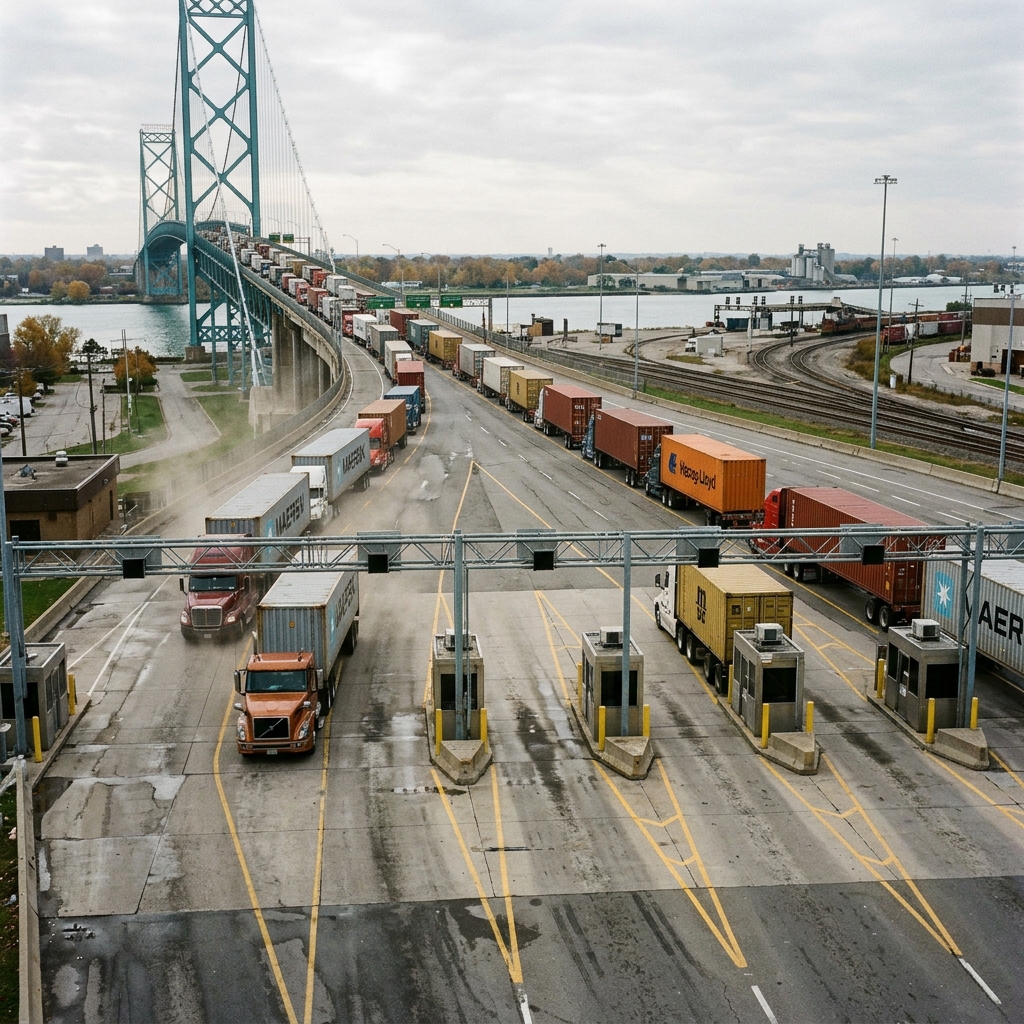
The change follows months of sharp commercial anxiety across export-heavy provinces. Ontario and Quebec ship billions of dollars in manufactured goods, raw aluminum, and specialized vehicles to the American Midwest each month. Cross-border commerce topped 900 billion dollars last year alone. Much of that freight rolls through busy crossings like the Ambassador Bridge and the Blue Water Bridge. Corporate boardrooms in Toronto, Montreal, and Calgary treated an unchecked tariff drive as an existential threat. Federal officials now plan to use congressional oversight committees to slow aggressive protectionist enforcement.
Mary Ng, Minister of Export Promotion, International Trade and Economic Development, is holding calls with Canadian industrial groups before traveling to Washington. Canadian diplomats have built practical ties with governors in border states like Michigan, New York, and Ohio. These state executives know local assembly lines stall without Canadian nickel, specialized plastics, and energy. Ottawa intends to frame cross-border trade friction not as an ideological feud, but as a direct financial drag on American consumer costs and factory output.
2. Industrial Supply Chains Demand Immediate Duty Reductions
The primary target for Canadian negotiators is the stubborn softwood lumber dispute, long weighed down by countervailing and anti-dumping duties from the United States Department of Commerce. American homebuilders, facing high mortgage rates and a deep deficit of affordable single-family houses, have repeatedly asked Washington to drop duties on producers in British Columbia and Alberta. The combined duty rate sits near 14.5 percent, inflating building expenses across the Sun Belt and Pacific Northwest. Ottawa wants to force this issue directly into hearings before the House Ways and Means Committee.
Automotive components moving across the Windsor-Detroit corridor present an equally urgent problem. Under the United States-Mexico-Canada Agreement, auto parts frequently cross the border half a dozen times before final vehicle assembly. Persistent tariff rhetoric had clouded multi-billion-dollar investments in domestic electric vehicle battery plants, including facilities run by Stellantis and Volkswagen in Ontario. With hardline trade factions losing absolute control on Capitol Hill, the Motor & Equipment Manufacturers Association has joined the Canadian Vehicle Manufacturers' Association in demanding clear rules and tariff shields for integrated automotive networks.
Steel and aluminum producers in Hamilton and Saguenay also want duty relief. While earlier talks yielded quota arrangements, threatened tariffs kept institutional capital on the sidelines. RBC Capital Markets and TD Securities noted that this policy ambiguity trimmed capital expenditures across heavy manufacturing by nearly 12 percent over the past three fiscal quarters. Sidelining arbitrary trade measures could unlock held-back capital for advanced smelting, rail transit, and heavy equipment plants across central Canada.
3. Enforcement Realities at CBP and CBSA Border Checkpoints
Day-to-day operations at border crossings will adjust quickly if tariff threats subside. U.S. Customs and Border Protection and the Canada Border Services Agency manage the highest-volume bilateral freight relationship in the world. More than 30,000 trucks cross the border daily, carrying time-sensitive parts built for tight manufacturing schedules. Anticipating retaliatory duties, Canadian customs brokers had urged clients to stockpile raw inventory in American warehouses. That surge absorbed regional warehouse space in western New York and southeast Michigan, driving up commercial storage rates by 18 percent year over year.
Rail corridors run by Canadian National Railway and Canadian Pacific Kansas City registered unusual traffic spikes in recent months as shippers moved cargo early to bypass tariff deadlines. These uneven volumes squeezed railcar availability from Vancouver to Chicago. Rail operators now anticipate balanced car distribution across the prairies, where agricultural shippers had struggled to secure hopper cars for grain. Clear, durable trade terms allow CPKC and CN to commit capital to long-term terminal expansions rather than makeshift holding yards.
Legal disputes within established trade frameworks will also change tone. Canada has pursued multiple dispute panels under USMCA Chapter 31 to challenge American interpretations. A politically checked administration faces greater domestic scrutiny over trade costs. Legal teams for Canadian exporters are assembling filings to challenge pending petitions before the United States International Trade Commission. Without firm congressional backing for broad tariffs, American industry groups will find it harder to justify the steep costs of initiating speculative anti-dumping claims.
4. Bilateral Economic Outlook Ahead of the 2026 USMCA Review
The shifting political sector brings immediate relief to central bankers on both sides of the border. The Bank of Canada warned in recent policy reports that a full tariff dispute would trigger stagflation, cutting real GDP growth while lifting import prices. With tariff risks receding, Governor Tiff Macklem and the governing council gain leeway to manage interest rate cuts without defending against currency drops caused by trade friction. The Canadian dollar gained 42 basis points against the U.S. dollar in early trading.
Corporate executives are reassessing supply chains ahead of the formal 2026 USMCA joint review. The agreement's sunset clause requires all three countries to confirm they intend to extend the treaty for another sixteen-year term. Canadian business councils worried that a unified, trade-hostile government in Washington might try to break the treaty or demand major concessions on Canadian dairy quotas and cultural exemptions. The current balance of power makes sharp, one-sided revisions to the USMCA far harder to advance.
Ottawa cannot afford to relax. Protectionist habits remain deeply rooted in American industrial policy across both major parties. Canadian business leaders argue that federal policy must emphasize domestic productivity, fewer interprovincial trade barriers, and stronger trade ties with Europe and the Indo-Pacific. Canadian exporters have gained valuable time. The pressing assignment for Canadian business is locking in multi-year procurement deals with American buyers while this political opening lasts.