1. Saguenay Smelters Reroute Thousands of Ingot Metric Tonnes Across the Atlantic
Quebec's aluminum corridor underwent a significant commercial shift over the past four quarters. Smelting facilities run by Rio Tinto and Alcoa across the Saguenay-Lac-Saint-Jean region dispatched roughly 800,000 tonnes of unalloyed primary aluminum straight to European ports. Departing from the deep-water terminal at Port-Alfred, these bulk carriers bypassed traditional rail corridors heading south into the American manufacturing belt. The volume represents almost one-third of Canada's annual primary output. It also reflects the sharpest trade realignment since Section 232 national security measures disrupted continental metal markets seven years ago.
The change came down to commercial self-defense. Facing draft measures in Washington proposing 50 percent duties on primary metal imports, Canadian executives moved before US Customs and Border Protection could assess high duties on inbound shipments. Smelters calculated that ocean transit to Rotterdam, Antwerp, and Mediterranean facilities was cheaper than risking steep border penalties in the United States. Even with North Atlantic ocean carrier spot rates rising by 40 dollars per metric tonne, the balance sheet favored Europe. The move left standard buyers in Ohio and Michigan scrambling for short-term slab supplies.
This rerouting disrupted long-standing rail networks. Canadian National Railway and Canadian Pacific Kansas City experienced a sudden drop in demand for specialized flatcars and boxcars destined for Midwestern processing plants. Typically, rolling stock moves daily through customs facilities at Sarnia, Ontario, and rail crossings into Minnesota. Instead, trains completed short hops from regional potlines to berths on the St. Lawrence River. Port-Alfred dock crews worked continuous shifts to load export vessels. Once across the Atlantic, the metal entered European markets where buyers wanted low-carbon primary ingots to satisfy carbon border adjustment rules.
2. Midwestern Extruders Face Escalating Spot Premiums as Chicago Warehouses Run Thin
The sudden diversion disrupted American factory districts. Extruders, automotive die-casters, and wire-rod manufacturers across the Rust Belt depend on steady deliveries of Canadian P1020 aluminum. After 800,000 tonnes headed across the ocean, regional spot inventories fell fast. The CME Midwest aluminum premium climbed past 28 cents per pound, adding more than 600 dollars per metric tonne over the benchmark London Metal Exchange cash price. US industrial buyers found themselves bidding against European plants simply to secure standard remelt ingot.
Manufacturing facilities in Indiana and Ohio saw delivery timelines stretch out. Automotive parts fabricators in Detroit absorbed higher production expenses for essential structural castings. The Aluminum Association in Washington pointed out that penalizing Canadian primary metal does not bring domestic potlines back online. Building and powering modern smelters requires years of work and low-cost baseload electricity that the US power grid currently cannot provide. The duties created a domestic supply squeeze that hit American fabricators, while Canadian producers found buyers across the European Union.
European traders welcomed the transatlantic metal. Continental manufacturers absorbed Canadian shipments to replace banned Russian units blocked by European Union sanctions. Smelters in Quebec and British Columbia run on regional hydroelectric networks, producing metal with roughly two tonnes of carbon dioxide per tonne of aluminum. This low emissions profile gave Canadian exporters a distinct advantage under the European Union Carbon Border Adjustment Mechanism reporting system. Buyers in Rotterdam moved quickly to sign contracts that offset the extra maritime freight expenses.
3. Trade Policy Gridlock and Section 232 Disputes Challenge Continental Integration
The trade friction points to structural strains within the United States-Mexico-Canada Agreement. Even though the USMCA guarantees duty-free terms for qualifying goods, the White House retained authority under Section 232 of the Trade Expansion Act of 1962 to levy national security tariffs. Ottawa maintains that these trade restrictions contradict cross-border defense pacts. International Trade Minister Mary Ng pressed the Office of the United States Trade Representative for formal exemptions.
Formal legal reviews under USMCA Chapter 10 binational panels remain tied up in administrative delays. Trade litigators representing the United States argue that national security rulings sit outside the scope of trade dispute panels. That position leaves cross-border supply chains exposed to sudden policy changes. Canadian producers cannot risk leaving high-value rail cars stranded on border tracks while customs agents resolve tariff disputes. Rerouting metal runs to European spot buyers offered a practical hedge against shifting policies in Washington.
Finance ministries and central banks on both sides of the border are monitoring the broader economic fallout. The Bank of Canada stated in policy discussions that trade uncertainty hurts export forecasts and heavy industry investment. In the United States, Federal Reserve district reports from Cleveland and Chicago highlighted rising materials costs for mid-tier factories. Higher border levies on basic industrial inputs generate cost inflation throughout the supply chain without restarting idle domestic smelters.
4. Congressional Midterms Hold the Key to Restoring Traditional Bilateral Rail Corridors
The political calendar in Washington could redirect cross-border supply lines. The coming US congressional midterm elections might change the leadership of key committees, notably the House Committee on Ways and Means and the Senate Committee on Finance. Lawmakers representing northern manufacturing districts are seeking statutory exemptions for Canadian metal. They argue that local machine shops and foundries cannot absorb high raw material surcharges caused by trade measures directed at a close security partner.
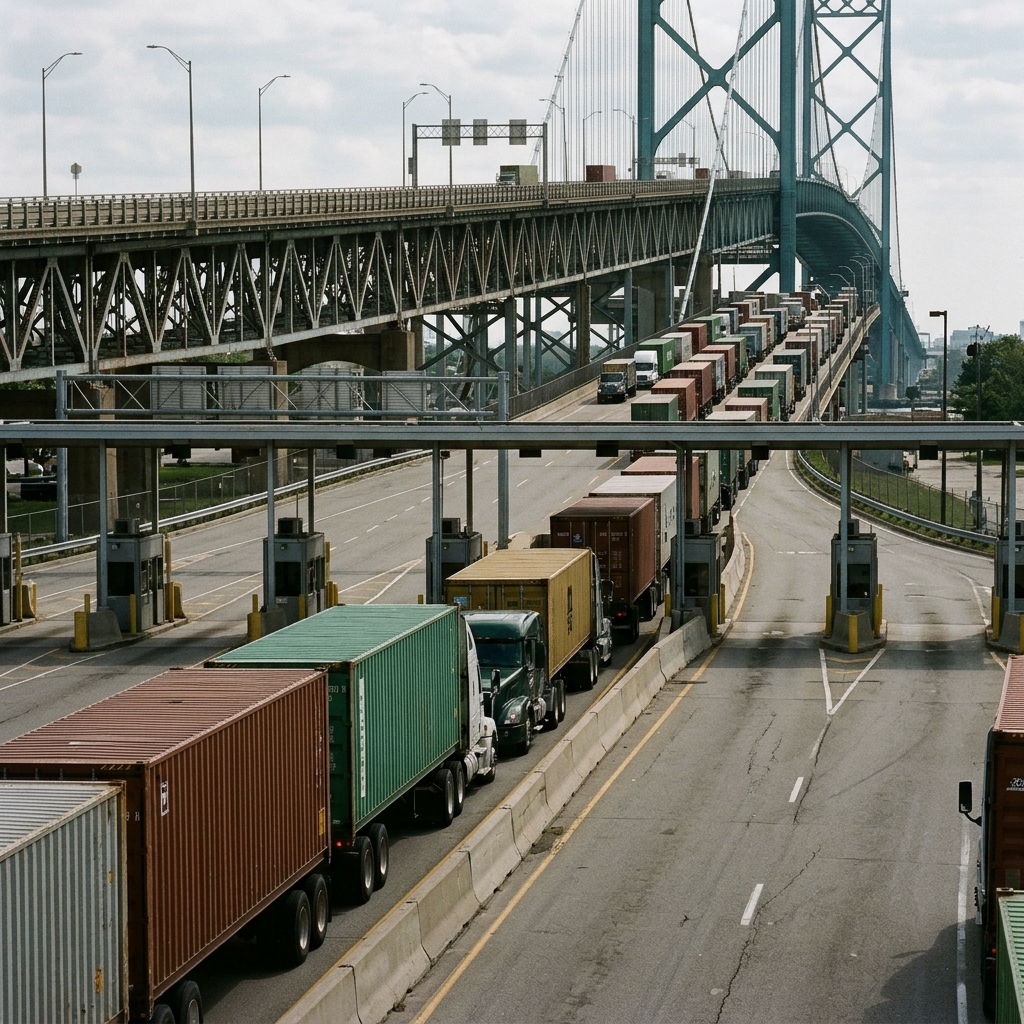
A shift in congressional control would likely increase pressure on the executive branch to scale back Section 232 restrictions. Smelter managers and freight forwarders are drafting contingency plans for 2025 and 2026. A return to standard customs procedures would encourage Canadian suppliers to redirect metal to their natural geographic market in the American Midwest. Restarting regular CPKC and CN rail shipments across the Ambassador Bridge and through the Sarnia tunnel would ease pressure on US fabricators and reduce regional cash premiums.
For the time being, commercial supply agreements remain focused on ocean transit. Canadian smelters extended their vessel charters through the current fiscal quarter. Export credit agencies and corporate risk managers in Canada are unwilling to redirect large tonnages back to US rail corridors until Washington offers binding tariff relief. The shipment of 800,000 tonnes across the Atlantic proved that Canadian smelters have other commercial outlets. Until US trade policy settles, North American industrial integration will remain off balance.