1. A Weekend Trip Ends in a Warning at the Border
Newsweek reported on November 14, 2026, that a Canadian woman said United States border officers turned her away after three weekend trips to visit her boyfriend during the year. The account appeared in a November 1 discussion on Reddit, where Canadians compared notes on being refused entry at the border. The woman wrote that officers told her she would face a five-year bar if she tried to enter again without a K-1 visa. The couple is not engaged, and the woman said the warning left her stunned.
The woman said she had brought documents that showed her ties to Canada, yet officers still refused her entry. She also said officers demanded a return airline ticket, even though she had traveled by car. She wrote that she had spent about 120 days in the United States during the year and had been admitted on earlier trips after long rounds of questions. The officers gave her no written order in the account she shared, and it remains unclear whether she received a formal removal order or a verbal warning about the results of trying to enter again.
The report drew wide attention because it sits far from the usual picture of travel between Canada and the United States. Canadians cross the border for work, shopping, family visits, and short holidays with little friction in most cases. A demand for a fiance visa from a traveler who is not engaged, and a warning of a five-year bar, raised a plain question for readers on both sides of the border: what changed, and what should regular travelers expect now.
2. More Canadians Report the Same Pattern at the Border
The woman was not the only voice in the November 1 discussion. A Canadian student said she had been refused entry once after about eight trips over 18 months to visit an American boyfriend, with visits that lasted between one and three weeks. She said a border officer had once advised her to describe the trip as a visit to a friend rather than a visit to a boyfriend. That advice, if given, points to a quiet shift in how some officers treat an honest answer about the purpose of a trip.
A separate case reported by TheTravel in September 2026 added weight to the pattern. A Canadian woman said United States Customs and Border Protection had banned her indefinitely from entering the country after frequent visits to see her American boyfriend. Days before that report, another Canadian said he had been turned away at the border after telling officers he was entering the United States for his wedding. The cases differ in detail, yet each one turns on the same point: a romantic tie across the border drew close scrutiny.
The individual accounts have not been independently verified, and the reasons recorded by American authorities for the reported refusals remain unknown. That gap matters. A refusal can follow from many factors, from the length and frequency of past stays to an officer's view of whether a traveler plans to return home. Even so, the number of similar stories in a short span has fed a sense among cross-border couples that the rules at the border have grown harder to read.
3. What the Law Says About Canadian Visitors and the K-1 Visa
The United States State Department says Canadian citizens generally do not need a visa for short visits, including trips to see a romantic partner. Under Section 41.2 of Title 22 of the Code of Federal Regulations, a visa is not required for Canadian citizens except those seeking admission under certain immigration categories. Global Affairs Canada notes that Canadians can usually stay in the United States for up to six months without a visa. There is no general rule that a Canadian must hold a fiance visa simply because she is dating an American, or even because she is engaged, provided she qualifies as a temporary visitor.
The K-1 visa has a narrow purpose. It is meant for a foreign national who plans to marry a United States citizen, and the Immigration and Nationality Act defines the category as applying to someone who enters solely to conclude a valid marriage with the petitioner within 90 days after admission. A traveler who has no wedding planned and no petition filed does not fit that category. The mismatch between the visa named by the officers in the Reddit account and the traveler's actual plans is the heart of the confusion in this story.
At the same time, the law gives border officers wide room to decide. A Customs and Border Protection officer ultimately decides whether to admit a foreign traveler, and federal law allows an officer to require a traveler to state the reason for a visit under oath, along with the length of the planned stay. Officers can weigh how often a person has crossed, how long past stays lasted, and whether the traveler shows strong ties to home. That discretion means two travelers with similar plans can face very different results at the same crossing.
4. Why the Accounts Matter for Cross-Border Travel and Trade
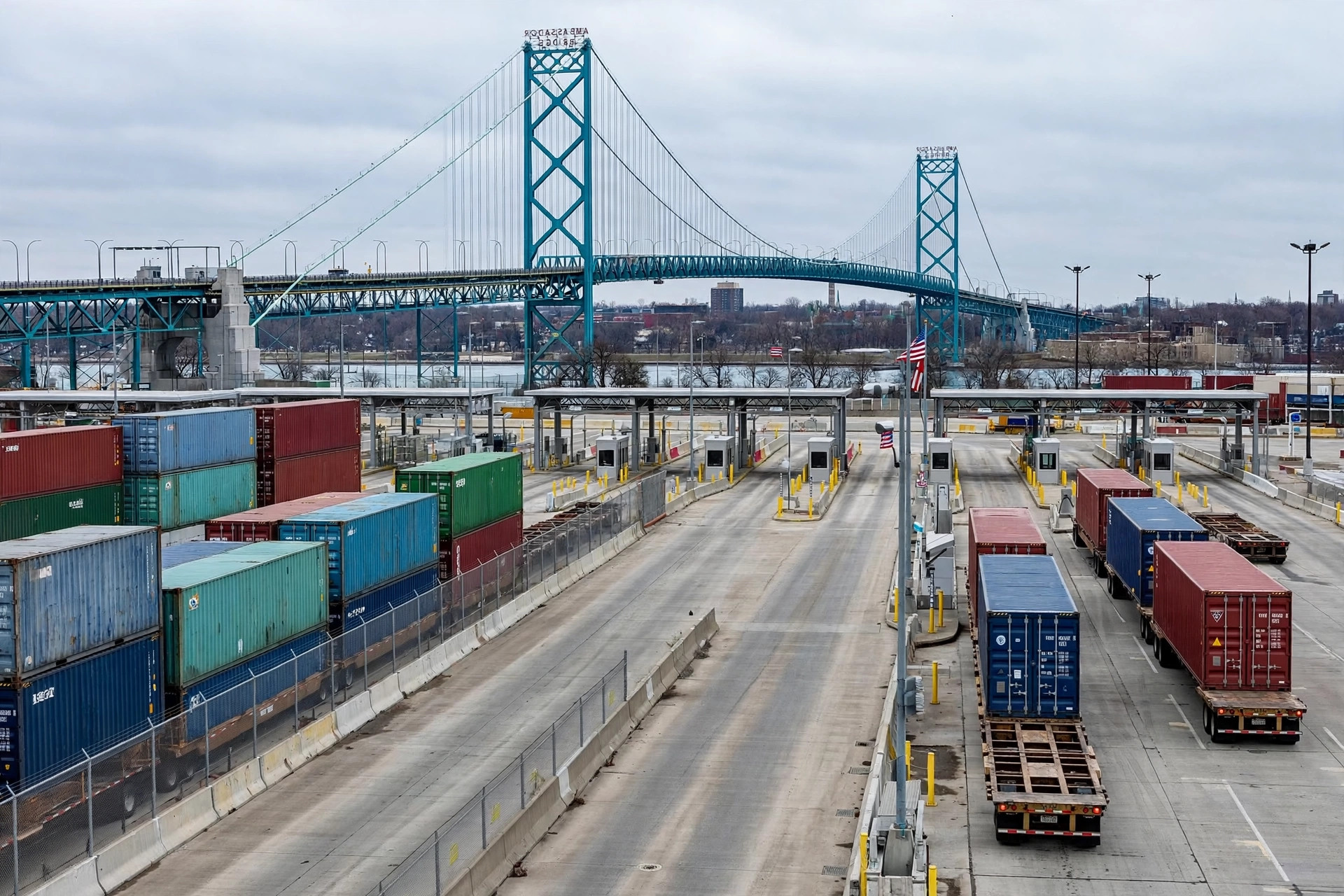
The reports arrive amid wider concern about border enforcement under President Donald Trump, including fears that political comments posted online could affect a Canadian's ability to enter the country. The border is more than a line on a map for the two economies: millions of crossings each year support tourism, family ties, and supply chains that run through ports such as the Ambassador Bridge and the Peace Bridge. When regular travelers grow unsure about the rules, the doubt can spill into trip plans, hotel bookings, and the small businesses that serve cross-border visitors.
For couples who live on opposite sides of the border, the stakes are personal and practical. A refused entry can mean a missed holiday, a lost flight, or a record that shadows later trips. Some travelers now say they carry extra proof of ties to home, from work letters to lease papers, and think twice before they state the real reason for a visit. That caution cuts against the open flow of people that both governments have long treated as a strength of the relationship.
The story also tests how clearly the two governments explain the rules. Canada and the United States share the longest undefended border in the world, and the system works best when travelers know what officers can ask and what papers they should carry. Clear public guidance on short visits, on the K-1 visa, and on the rights of travelers at the border would do more than any single ruling to calm the worry these accounts have stirred. Until then, each new refusal story will land as a fresh warning to the next traveler in line.