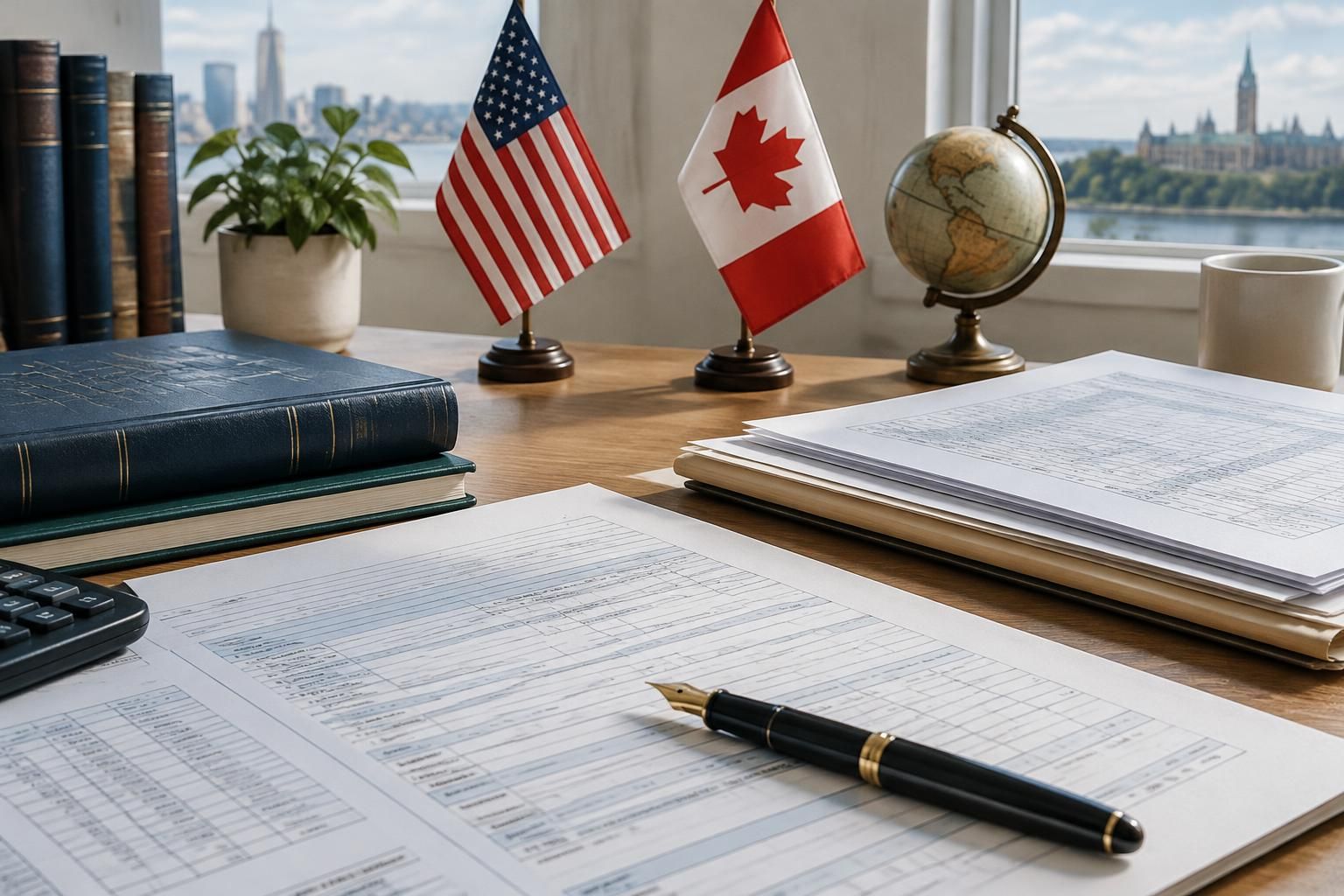
1. Blue Wave Rhetoric Meets the Cold Reality of CBP and CBSA Enforcement
The headline from Yahoo! Finance Canada landed like a jolt of caffeine in cross-border trading desks from Toronto to Chicago. A Democratic blue tsunami, the argument goes, could reverse the travel turnoff and the broader trade war chill that has defined the Canada-U.S. corridor since 2018. But the operational reality inside U.S. Customs and Border Protection and the Canada Border Services Agency is far less responsive to election night. CBP officers at the Ambassador Bridge and the Blue Water Bridge are still applying the same tariff schedules and the same Section 232 steel and aluminum quotas that were in force before the polls closed. A change in political weather in Washington does not automatically rewrite the Federal Register.
What a Democratic sweep actually changes is the direction of travel at the top. A unified Democratic government would likely install a U.S. Trade Representative more inclined to convene USMCA dispute panels rather than threaten withdrawal. That matters for Canadian softwood lumber producers and dairy processors who have been on the receiving end of punitive duties. But the compliance machinery at the IRS and the CRA does not pause for political transitions. Transfer pricing audits, beneficial ownership reporting under the Corporate Transparency Act, and the new 15 percent global minimum tax are already embedded in bilateral administrative practice. A blue tsunami may soften the tone, but the tax and regulatory compliance calendar remains fixed.
The travel turnoff that Yahoo! Finance Canada references is real and measurable. Canadian overnight trips to the U.S. fell sharply in 2023 and 2024, according to Statistics Canada data, as a strong dollar and a hostile political climate kept leisure travelers north of the border. A Democratic win could improve the sentiment, but sentiment does not move airline seat capacity or hotel bookings overnight. The more durable shift would be in business travel and cross-border professional services, where regulatory predictability matters more than political rhetoric. For now, compliance officers are treating the blue tsunami as a forecast, not a fact.
2. Tax Compliance Costs Do Not Fall With a Change in Administration
Here is the part of the story that the political headlines miss. The Canada-U.S. tax and regulatory compliance burden has been rising for a decade, and it is largely bipartisan. The IRS is hiring thousands of new revenue agents under the Inflation Reduction Act, and the CRA has matched that intensity with its own specialized audit teams focused on high-net-worth individuals and multinational enterprises. A Democratic sweep does not reverse those hiring plans. If anything, a unified Democratic government would accelerate funding for international tax enforcement, particularly around transfer pricing and digital services taxes. Canadian subsidiaries of U.S. multinationals should expect more detailed information requests, not fewer.
The more immediate compliance flashpoint is the global minimum tax, known as Pillar Two. Both Canada and the U.S. have been moving toward implementation, and the effective date for many provisions is already set. A Democratic administration would likely push for faster alignment with the OECD framework, which means Canadian companies with U.S. parents could face top-up tax liabilities in both jurisdictions. The CRA has been explicit that it will not wait for U.S. legislative clarity before applying its own rules. That creates a double-compliance risk for mid-market firms that lack the in-house tax capacity to model both regimes. The blue tsunami does not wash away that problem.
Customs valuation is another area where political change has limited reach. CBP and CBSA both use transaction value as the primary basis for duty assessment, and both have been aggressively auditing related-party transactions. The USMCA rules of origin are treaty obligations, not administrative preferences. A Democratic government cannot simply waive them. What it can do is reduce the number of national security tariff actions, which would lower the effective duty rate for Canadian steel and aluminum exporters. That is a meaningful relief, but it is not the same as regulatory simplification. Compliance officers should plan for a lower tariff environment without assuming a lower paperwork environment.
3. The USMCA Dispute Panel Is the Real Lever, Not the Ballot Box
The most concrete mechanism for reversing the trade war turnoff is the USMCA dispute settlement process. Chapter 31 state-to-state panels have already ruled against the U.S. on auto rules of origin and on Canadian dairy market access. A Democratic administration would be more likely to comply with those rulings rather than ignore them. That matters for the integrated auto supply chain that runs from Ontario to Michigan and Ohio. But the panels move on a fixed calendar. A case filed today would not produce a final report until late 2025 or early 2026. The blue tsunami may change the willingness to settle, but it does not change the clock.
The other lever is the World Trade Organization. Canada has been quietly building a coalition of countries to challenge U.S. Section 232 tariffs on steel and aluminum. A Democratic administration would face more pressure from traditional allies to drop those tariffs, which are officially justified on national security grounds. But the WTO appellate body remains paralyzed, and the interim arbitration arrangement is slow. Canadian exporters should not expect a rapid removal of the 25 percent steel tariff even under a unified Democratic government. The more likely outcome is a negotiated quota system that reduces the peak duty but preserves the compliance burden.
Rail and trucking corridors tell a similar story. CPKC and Canadian National have been adjusting schedules and container flows in response to the tariff uncertainty. The Pacific Gateway ports of Vancouver and Prince Rupert have seen volume shifts as shippers reroute to avoid U.S. ports with higher tariff exposure. A Democratic sweep could stabilize those flows, but the underlying economics of the corridor are driven by freight rates and fuel costs, not by political affiliation. The compliance officers at CBSA and CBP who inspect those containers are not political appointees. They apply the same rules regardless of who occupies the White House.
4. What a Blue Tsunami Means for the Bilateral Balance Sheet
The strategic impact of a Democratic sweep is best measured in basis points, not in headlines. A unified Democratic government would likely reduce the probability of new tariffs, which would lower the risk premium embedded in cross-border supply contracts. That could shave 50 to 100 basis points off the cost of capital for Canadian exporters with heavy U.S. exposure. But it would not eliminate the compliance costs associated with the USMCA certificate of origin, the CBP audit trail, or the CRA's foreign reporting requirements. Those costs are structural. They are baked into the operating budgets of every mid-market firm that moves goods or services across the border.
The travel turnoff is the most visible symptom of the trade war, but it is not the most economically significant. Business travel and professional services are where the real money moves. A Democratic administration would likely restore some of the diplomatic and regulatory predictability that Canadian firms rely on when they send executives to New York or Chicago. That could revive demand for cross-border legal, accounting, and consulting services. But the compliance officers at the IRS and the CRA will still be looking at the same transfer pricing documentation and the same beneficial ownership filings. The blue tsunami may improve the mood, but it does not change the audit trail.
For investors, the key question is whether a Democratic sweep would lead to a meaningful reduction in the effective tariff rate. The answer is probably yes, but with a lag. The USMCA review is scheduled for 2026, and a Democratic administration would likely use that process to reset the terms of trade. Canadian firms should model a 150 to 250 basis point reduction in effective duty costs over two years, offset by higher compliance costs for tax and regulatory reporting. That is not a major shift. It is a modest improvement in a difficult environment. The blue tsunami is a forecast, not a rescue.