1. Embedded Corporate Infrastructure Targets the Great Lakes Trade Belt
Shield, an international business payments network, has added corporate formation engine doola directly into its transaction software. The partnership lets foreign commercial operators, including Canadian exporters along the Ontario manufacturing corridor, register American businesses straight from their treasury accounts. Companies can set up Delaware or Wyoming limited liability companies, secure Employer Identification Numbers from the Internal Revenue Service, and connect to domestic clearing rails within hours.
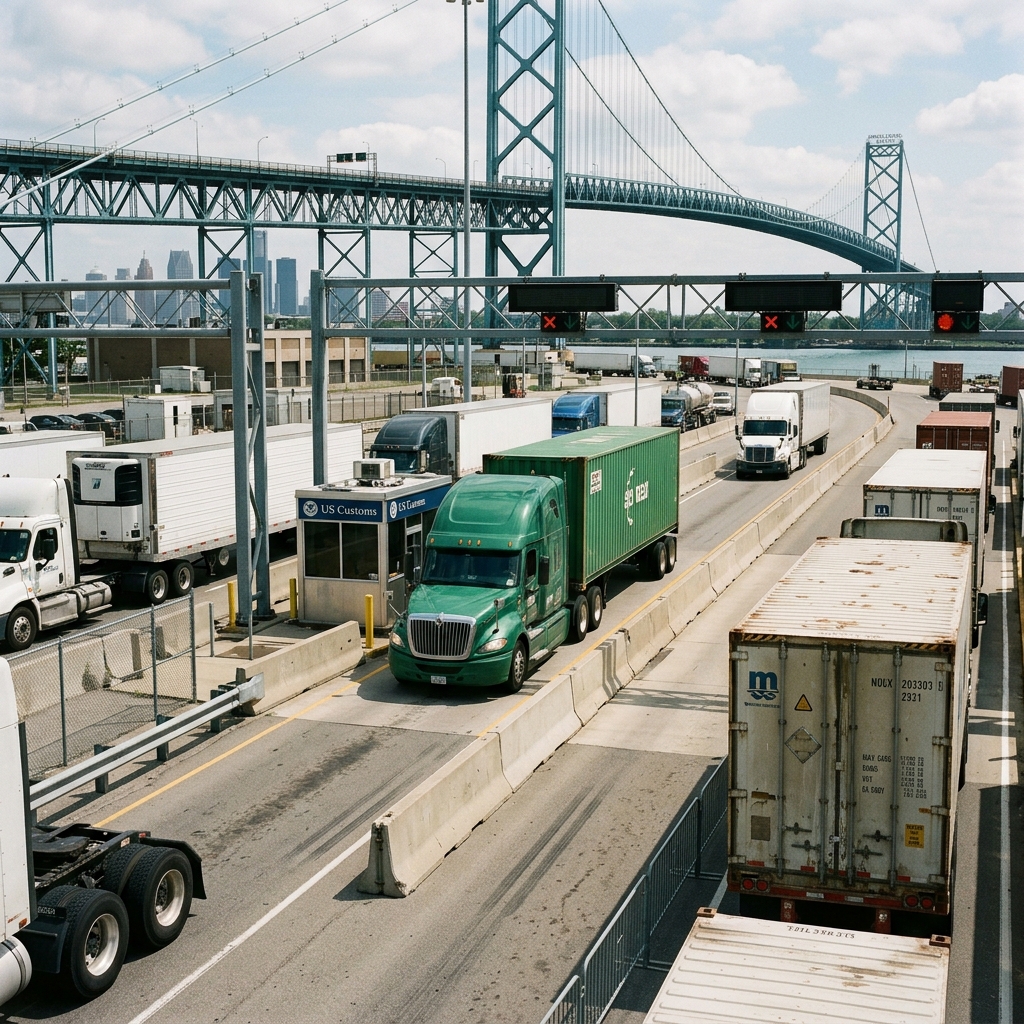
The setup tackles a routine headache for mid-market suppliers hauling freight across the Ambassador Bridge and the Blue Water Bridge. Foreign owners previously turned to disparate legal agents, manual paper submissions, and local retail branches to establish stateside operations. This fragmented process routinely created delays of six to ten weeks before companies could invoice clients in US dollars. Embedding the software layer removes those third-party handoffs by matching corporate registration directly with payment gateway verification.
Growing trade under the United States-Mexico-Canada Agreement continues to fuel demand for automated incorporation. Canadian software shops, parts fabricators, and contract logistics firms want domestic corporate structures to bid on municipal tenders, tap American payment rails, and bypass foreign credit card spreads. The integration opens immediate access to the Automated Clearing House network while keeping operational cash flows in a single operational window.
2. Financial Crimes Enforcement and Tax Treaty Realities
Setting up an American legal structure from Toronto, Montreal, or Vancouver brings real compliance responsibilities. The Financial Crimes Enforcement Network enforces rigorous reporting under the Corporate Transparency Act. Foreign companies registered in the United States must submit detailed Beneficial Ownership Information reports within thirty days of formation. Fines reach up to 591 dollars per day, creating substantial liabilities for foreign founders who miss their filing deadlines.
Cross-border taxation brings its own challenges. Non-resident owners of single-member limited liability companies face strict annual disclosure rules through IRS Form 5472 and Form 1120. Missing either filing triggers automatic minimum penalties of 25,000 dollars per entity. North of the border, the Canada Revenue Agency evaluates these operations under corporate residency standards. If executive control and management remain in Canada, the CRA can tax the American entity as a domestic resident corporation.
Banking regulators also monitor these software setups closely. The Federal Reserve, the Federal Deposit Insurance Corporation, and the Office of the Comptroller of the Currency mandate strict Know Your Customer procedures from financial technology platforms. Shield and doola must balance quick digital onboarding against the legal demands of the Bank Secrecy Act and anti-money laundering statutes. This requires continuous identity checks across international ownership tiers.
3. Supply Chain Mechanics and Clearing Rail Efficiencies
Fast corporate formation delivers tangible advantages to industrial supply chains. Freight carriers moving inventory over CPKC rail lines and through the Pacific Gateway often run into payment hurdles when settling multi-currency invoices. Traditional correspondent banking systems push funds through multiple clearing houses. This process drains operational budgets, with foreign exchange fees averaging between 150 and 300 basis points on standard cross-border wires.
Running an incorporated American entity removes those exchange markups. Canadian freight forwarders, contract logistics providers, and wholesale distributors can invoice buyers directly through Fedwire or domestic ACH channels. They can retain dollar balances in domestic corporate accounts and pay American warehouses, fuel suppliers, and intermodal carriers directly. Mid-sized operations along the Windsor-Detroit shipping corridor gain financial tools previously reserved for global conglomerates.
Customs procedures are similarly more straightforward for foreign distributors with domestic legal entities. U.S. Customs and Border Protection treats non-resident importers differently than domestic importers of record. Operating as an incorporated American importer makes it easier to secure entry bonds, standardizes documentation at land ports of entry, and cuts commercial audit risks. Combined with local treasury management, this helps operators sidestep port storage penalties and clearing delays at border crossings.
4. Long-Term Capital Deployment in the Integrated Economic Zone
The tie-up between Shield and doola highlights an ongoing shift across cross-border financial services. Daily trade between Canada and the United States exceeds 2.5 billion dollars in merchandise and services. Commercial banking for mid-tier firms remains divided by national borders. Focused financial software partnerships are stepping into the space left behind by major chartered banks, which pulled back from cross-border legal formation over elevated regulatory overhead.
This market realignment should gain speed ahead of the 2026 USMCA joint review. Interdependent supply networks across electric vehicle battery manufacturing, critical minerals extraction, and enterprise software depend on unified cross-border payment channels. Startups in the Kitchener-Waterloo tech cluster and industrial plants in the Quebec City-Windsor corridor require direct access to American corporate frameworks to raise capital from venture funds and private debt lenders.
As digital corporate formation tools expand, the division between foreign and domestic corporate entities will keep shrinking. Financial institutions, tax regulators, and trade networks will increasingly accommodate firms organized entirely through software interfaces. The Shield and doola deployment proves that statutory compliance tools have graduated from basic office administration into essential infrastructure for international trade.