1. Inside the Plants Where Cold Storage Vaults Face New Tariffs
Pallets of sharp cheddar and aged Gouda sit under shifting tariff schedules inside aging rooms from Plymouth, Wisconsin, to St. Albert, Ontario. USA Today recently toured production floors where pasteurization lines run day and night, but plant managers now recalibrate cost structures daily. The financial friction is immediate. When duty rates jump on dairy items, processing margins drop. Cheese makers cannot just halt production lines because regional milk contracts remain legally binding. Surpluses accumulate in cold storage facilities while plant treasurers evaluate freight options.
The underlying trade pressure stems from bilateral friction over Canada's supply management system and renewed tariff threats from Washington. Under current rules, minor shifts in customs classifications decide whether an export run turns a profit or logs a heavy loss. Plant supervisors who once tracked only butterfat levels, moisture ratios, and yield curves now review harmonized tariff schedules with internal shipping teams. Border friction alters physical line operations. When border rules change, plants must alter packaging configurations and package sizes to serve retail versus industrial purchasers.
Industrial processors absorb the heaviest financial shocks. Specialty cheese makers can sometimes pass along small tariff hikes through retail markups, but commodity plants shipping bulk blocks run on narrow margins. A five-cent shift per pound wipes out net profit margins for an intermediate packaging plant. Warehouses on both sides of the border are holding larger finished inventories than past inventory cycles warrant. That surplus inventory ties up corporate capital under high policy interest rates set by the Bank of Canada and the Federal Reserve.
2. Ottawa's Tariff-Rate Quotas Clash with American Dairy Exporters
The dispute centers on how Global Affairs Canada allocates Tariff-Rate Quotas, known in cross-border commerce as TRQs. Under the United States-Mexico-Canada Agreement, Ottawa established explicit market access allocations for American dairy, including specialty cheese. American producers argue that Canadian officials wrote the quota system to benefit domestic processors over independent distributors. This regulatory setup limits the volume of American cheese reaching Canadian grocers, propping up domestic price floors overseen by the Canadian Dairy Commission.
The United States Trade Representative has brought multiple dispute settlement panels against Canada over these rules. Panel findings prompted Ottawa to modify its administrative paperwork, but American exporters state that practical market entry remains restricted. Plant directors across Wisconsin, Minnesota, and New York report that confirmed retail sales in Toronto and Montreal fall through when Canadian buyers fail to secure import permits. The friction introduces commercial uncertainty, slowing capital spending on packaging equipment built for export lines.
Canadian producers defend their domestic framework. The supply management system applies production quotas and steep out-of-quota tariffs to insulate family farms from global commodity swings. When American trade groups demand open borders, Canadian organizations respond that US farm subsidies lower American raw milk costs. The standoff leaves border processors unable to project trade volumes beyond the current quarter.
3. Supply Chain Chokepoints and Customs Enforcements at Key Crossings
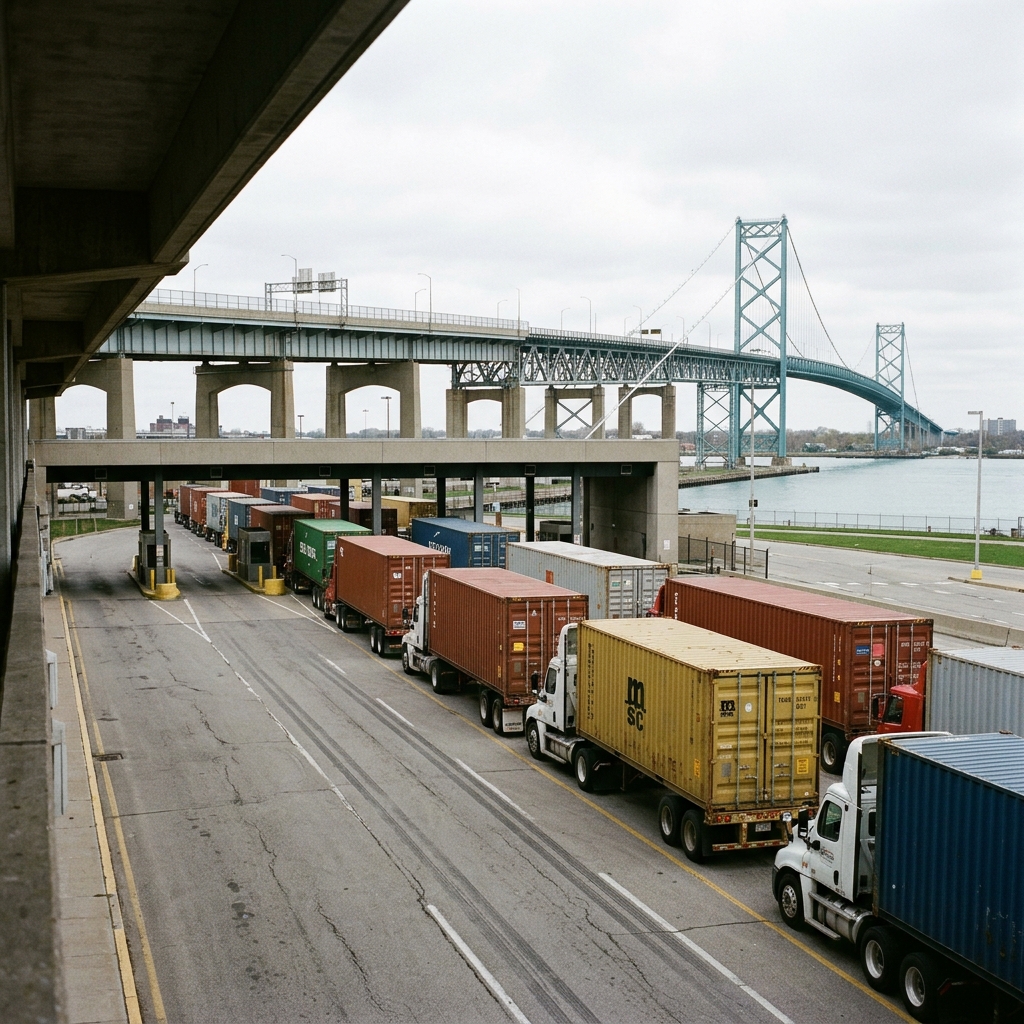
Refrigerated freight moving between regional plants hits bottlenecks at major border crossings. Shipments crossing from southern Ontario into Michigan over the Ambassador Bridge and the Blue Water Bridge face expanded inspections. U.S. Customs and Border Protection and the Canada Border Services Agency are reviewing shipping paperwork to verify rules of origin and classification codes. A misclassified cheese consignment can spend days stranded in cold storage yards, generating demurrage fees.
Customs brokers operate under mounting compliance scrutiny. If a processed cheese product contains non-dairy fats or imported vegetable oils, inspectors can reassign the load to different tariff codes. That reassessment triggers out-of-quota tariff rates that reach 200 percent. Border administrative costs have risen over the last two years. Exporters frequently hire customs attorneys to audit routine shipment manifests, adding expenses to every metric ton moved across the border.
Rail operations run by Canadian Pacific Kansas City and Canadian National face comparable obstacles. Bulk carloads of whey powder, casein, and processing ingredients destined for cheese facilities undergo detailed border screenings. Intermodal dry freight clears border checkpoints without major delay, but temperature-controlled containers draw scrutiny. Long dwell times at rail yards risk cargo spoilage. That exposure prompts processors to drop rail options in favor of refrigerated trucks.
4. Bilateral Outlook as USMCA Review and Tariff Deadlines Approach
Dairy executives are preparing for the formal USMCA joint review scheduled for 2026. The review provides Washington and Ottawa an opportunity to alter agricultural terms or walk away from specific provisions. In response, corporate strategists at large dairy processors are modifying their business footprints. Several American processors have purchased equity stakes in Canadian facilities to secure local milk quotas directly, bypassing cross-border customs checks. Investment capital is moving toward regulatory certainty rather than lower shipping costs.
This cross-border strategy carries financial exposure. Buying or building dairy plants inside Canada demands high initial outlays, and provincial milk prices run higher than open market rates in the United States. Processing executives must balance those persistent operating costs against the threat of sudden trade duties. Farm co-operative boards have placed capital budgets for export lines on hold until trade officials meet in Washington and Ottawa.
The commercial fallout extends from plant floors to local dairy farms. When export sales decline, US milk marketing boards reroute raw milk into drying plants to manufacture nonfat dry milk and butter. That shift lowers milk checks paid to farmers across northern states. Until trade negotiators broker a stable agreement on market access, North American cheese processors will treat trade volatility as an ongoing cost of doing business.