1. Greer Sets Year-End Deadline for USTR Tech Trade Probe
U.S. Trade Representative Jamieson Greer told Bloomberg.com that the trade probe will 'certainly' conclude by year end. That timetable puts the Section 301 inquiry into Canada's digital services tax and related tech-market measures on a short calendar. Section 301 cases normally run through interagency review, public comment, and remedy design for months. Companies had planned for a 2026 finding. Greer's deadline now forces counsel, customs brokers, and finance teams to prepare submissions and contingency budgets before the U.S. presidential transition cycle and the USMCA joint review consume Washington's attention.
Canada's digital services tax is a 3% levy on revenue that large digital firms earn from Canadian users. It applies to online marketplaces, social media, online advertising, and user data. The tax has a C$20 million revenue threshold and retroactive liability to 2022. Ottawa says the tax is neutral and aimed at large multinationals. The USTR and U.S. technology groups call it discriminatory because it captures U.S. platforms while sparing many Canadian firms. The Canada Revenue Agency already administers the tax. A USTR finding would add a trade remedy layer on top of an active tax collection regime.
A Section 301 conclusion is not a tariff order by itself. USTR must publish a determination, identify unfair practices, and design remedies. Those remedies can include tariffs, suspension of trade concessions, or a negotiated settlement. The agency also must provide a public comment window and often holds hearings. Greer's year-end target compresses that process. For enterprise tech and AI firms, the practical question is whether USTR will threaten tariffs on Canadian goods, target digital services directly, or use the finding as leverage to force changes to the DST before the 2026 USMCA review.
2. Cloud and AI Vendors Face Two Clocks: USTR and CRA
Finance chiefs now manage two clocks. The Canada Revenue Agency continues to collect the DST, with quarterly filings and payment obligations for covered firms. USTR runs a separate trade process that can end in tariffs or a settlement. A company with Canadian ad revenue, marketplace fees, or data licensing must reserve for retroactive tax exposure. It must also model potential CBP duties on goods if USTR retaliates. IRS foreign tax credit rules and U.S. Treasury guidance shape how much of the Canadian levy a U.S. parent can offset. Tax and trade teams cannot work in isolation.
Market pricing already reflects the policy gap between the Federal Reserve and the Bank of Canada. A wider spread in basis points raises CAD/USD hedging costs for firms that book Canadian revenue and U.S. dollar costs. The DST adds a regulatory cost line outside ordinary income tax. For AI developers and cloud platforms, exposure depends on whether their Canadian revenue falls into advertising, marketplace, social media, or user-data categories. Pure infrastructure contracts may sit outside the DST. Bundled AI services and data products can pull a vendor into scope.
Investors should watch the CRA's audit posture as closely as USTR's Federal Register notices. A USTR finding that Canada's DST is unfair does not stop CRA collection. It may accelerate settlement talks. It can also trigger a double cost: retroactive Canadian tax plus U.S. tariffs on Canadian exports. Enterprise software firms with hardware supply chains face the second cost through server, networking, and data-center equipment. Those goods move through customs classifications that CBP reviews line by line. Each classification carries a different duty rate.
3. USMCA Panel, Section 301 Remedies, and Border Enforcement
USTR has two parallel legal tracks. The first is the USMCA Chapter 31 dispute panel that the United States requested over Canada's DST. The second is the Section 301 inquiry Greer described to Bloomberg. A USMCA panel report can find that the DST violates Canada's national-treatment or market-access commitments. A Section 301 finding gives USTR broader authority to suspend trade concessions. The two tracks can reinforce each other, but they run on different clocks. A panel ruling may arrive before or after the year-end Section 301 determination. Each outcome creates different negotiating leverage for Ottawa and Washington.
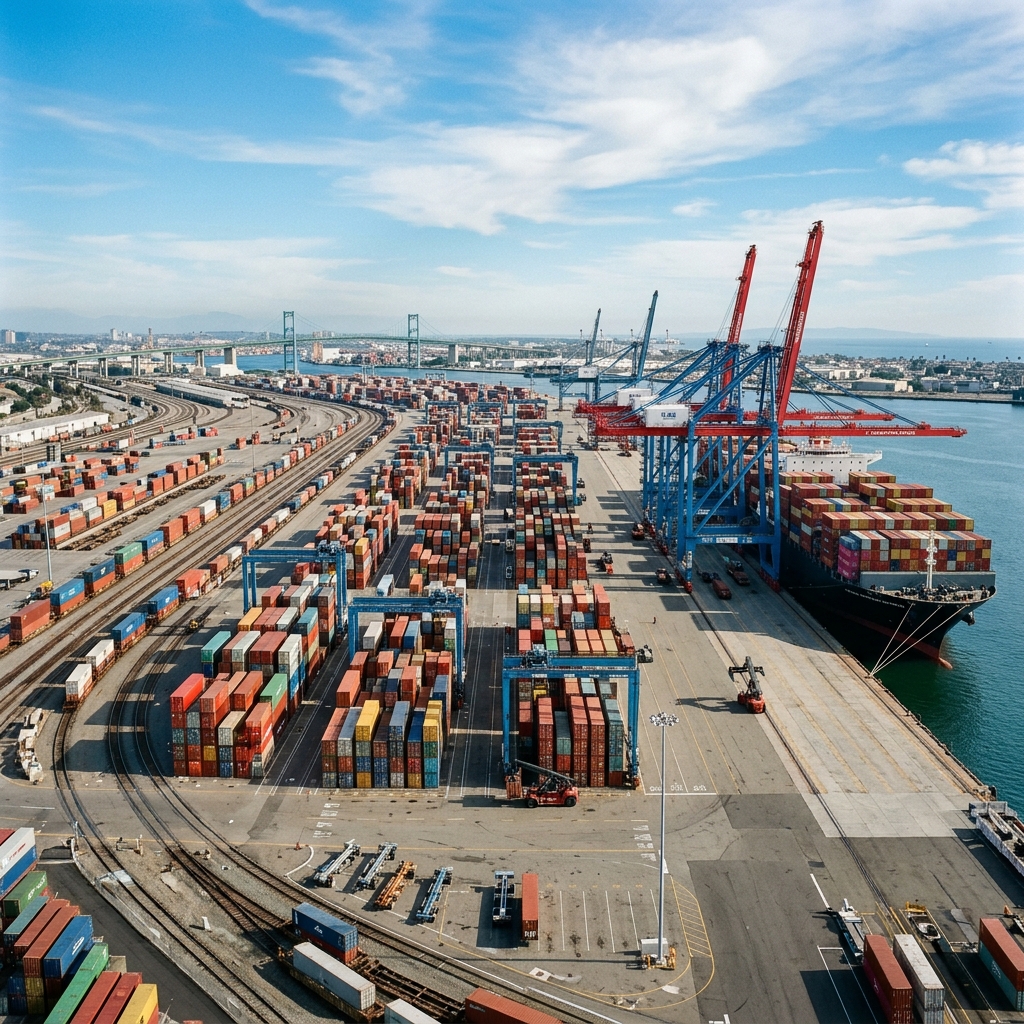
Enforcement runs through physical border agencies. CBP collects duties at U.S. ports of entry. Those include the Ambassador Bridge and Blue Water Bridge crossings that carry auto parts, machinery, and technology components between Ontario and Michigan. The Pacific Gateway handles Asian-origin semiconductors and servers that enter North American supply chains. CPKC rail networks move intermodal freight across the border and into Midwest distribution centers. If USTR imposes tariffs on Canadian goods, CBP will need new classification and origin instructions. If Canada retaliates, CBSA will collect counter-tariffs under Finance Canada's list of targeted products.
The policy mechanics matter for AI hardware. A tariff on Canadian goods can raise the landed cost of power equipment, cooling systems, and server components that move through Canadian logistics hubs. A Canadian counter-tariff can hit U.S. machinery and electronics. Rules of origin under USMCA determine whether a product qualifies for preferential treatment or pays the higher rate. Companies that rely on just-in-time delivery through the Ambassador Bridge or CPKC have little room for customs delays. The year-end deadline gives them one budget cycle to map tariff exposure, update bills of materials, and train brokers on new codes.
4. Year-End Finding Could Reset US-Canada Tech Trade Calculus
A year-end Section 301 finding would land before the 2026 USMCA joint review. That timing gives Washington leverage. USTR can threaten tariffs on Canadian goods while Ottawa seeks a negotiated fix to the DST. Canada may prefer a USMCA panel ruling because a multilateral finding is narrower than a unilateral Section 301 remedy. U.S. technology firms want the DST withdrawn or redesigned. Canadian officials want to protect the tax base and avoid a precedent that lets Washington target digital taxes through tariffs. The result is a narrow bargaining window in the fourth quarter.
The enterprise tech and AI sector has more at stake than ad-tech platforms. AI model developers buy data, cloud capacity, and specialized hardware across the border. Canadian AI startups sell into U.S. markets and rely on U.S. venture capital. U.S. cloud providers operate Canadian data centers and sell AI services to Canadian enterprises. A tariff fight over digital taxes can spill into procurement rules, data-localization requirements, and government AI contracts. The Bank of Canada and Federal Reserve do not set trade policy. Their rate paths still shape the cost of capital for firms absorbing new tax and tariff costs.
The base case is a negotiated settlement with a revised DST, a side deal on digital trade, or a suspension of tariff threats. The risk case is a USTR finding with tariffs on selected Canadian goods and Canadian counter-tariffs collected by CBSA. Greer's word 'certainly' removes the option of drift. Executives should prepare for a fourth-quarter decision, not a 2026 surprise. That means stress-testing DST liabilities, mapping CBP and CBSA exposure, and reviewing contract clauses that allocate tax and tariff costs between U.S. and Canadian counterparties.