1. Trump's 'No Need' Claim Collides With U.S. Refinery Demand and Pipeline Flows
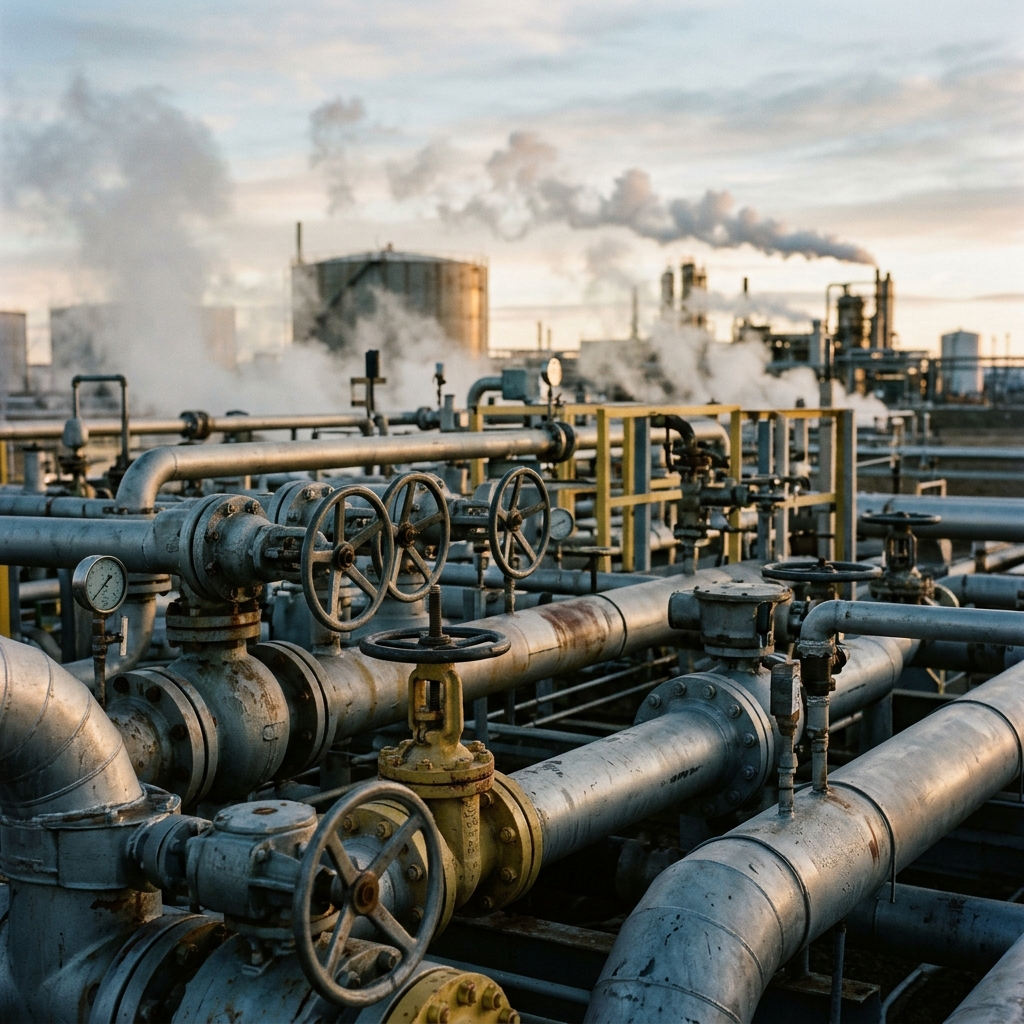
Speaking to reporters, President Donald Trump said the United States does not need Canadian energy, according to EnergyNow.com. The remark landed in a market that moves about 4.4 million barrels per day of Canadian crude into U.S. refineries, roughly 60% of total U.S. crude imports, EIA data show. Enbridge's Mainline system alone carries about 3 million barrels per day from Alberta to Midwest and Gulf Coast markets. Line 5 moves 540,000 barrels per day through the Great Lakes region. Those are not symbolic volumes. They are feedstock for refineries, heating fuel for households and gasoline for drivers.
The mismatch is built into the refinery system. U.S. refiners in PADD 2 and along the Gulf Coast have invested in coking units, desulfurization capacity and crude blending systems that process heavy sour Canadian crude. Light sweet shale oil from the Permian Basin is not a direct substitute. A refinery set up for heavy Canadian barrels cannot simply switch to shale without losing throughput and paying for upgrades. The U.S. Energy Information Administration has tracked this mismatch for years. Canadian crude also arrives by pipeline, which is cheaper than rail or tanker delivery. Replacing pipeline barrels with rail from CPKC or tanker imports would add cost and congestion.
The political claim also runs into the physical map. The Ambassador Bridge and Blue Water Bridge carry trucks and industrial goods that support energy equipment, chemicals and refinery supply chains. CPKC rail networks move crude, propane and refined products when pipelines are full. The Pacific Gateway handles Canadian energy exports and imports of equipment. Canada sends electricity, natural gas, uranium and refined products into U.S. markets. A country that does not need Canadian energy would not import it at these volumes. The trade data and the border queues tell a different story from the podium.
2. Refinery Economics and Grid Reliability Put Canadian Barrels Inside U.S. Policy
The math is simple. A 10% U.S. tariff on Canadian energy would add roughly $6 to $8 per barrel to delivered costs at current WTI prices near $70. CBP collects those duties at ports of entry and land border crossings. Midwest refiners would pass part of the cost to consumers or cut runs. The Federal Reserve and the Bank of Canada monitor such cost shocks because energy feeds inflation expectations. The IRS and CRA administer tax credits and royalty regimes that shape investment on both sides of the border. Policy makers can call Canadian energy optional. Refinery balance sheets treat it as baseload.
Grid reliability adds another constraint. Canada exports hydroelectric power from Quebec, Ontario, Manitoba and British Columbia into U.S. markets. New England and New York import Canadian hydro when demand peaks. The Western Interconnection ties Alberta and British Columbia to U.S. utilities. Natural gas pipelines cross the border at Emerson, Manitoba, and elsewhere. Uranium from Canada supplies U.S. reactors. The North American Electric Reliability Corporation has warned that retiring firm generation without replacement can threaten reserve margins. Canadian energy helps fill those margins. A 'no need' policy would require new transmission, new generation and new storage. None of that arrives on a political timetable.
The 2025 tariff episode showed how policy and reality collide. Trump imposed a 10% tariff on Canadian energy and a 25% tariff on other Canadian goods. CBP then created a USMCA-compliant carve-out that kept most energy and industrial goods moving. The Bank of Canada cited trade policy uncertainty in its rate decisions. The Federal Reserve flagged tariff effects in its Beige Book. CRA and IRS rules on transfer pricing and tax credits still link Canadian producers to U.S. capital. The tariff threat is real. The exemption setup is also real. Both facts matter for traders pricing Canadian crude differentials.
3. USMCA Panels, CBP Rules and Rail Networks Keep the Energy Corridor Open
USMCA is the legal foundation of this trade. The agreement contains energy investment protections, rules of origin and state-to-state dispute panels. CBP and CBSA administer certificates of origin, customs valuation and border processing. When disputes arise, binational panels can review anti-dumping and countervailing duty cases. Trump negotiated USMCA in his first term. That history matters because his 'no need' statement conflicts with the agreement his administration signed. The pact does not force Canada to sell energy to the United States. It does reduce the risk of arbitrary border closures and tariff shocks. Markets price that legal stability.
Pipeline permits tell the same story. In 2017, Trump signed a presidential permit for Keystone XL, a project designed to move 830,000 barrels per day from Alberta to Nebraska. President Joe Biden revoked the permit in 2021. The project is dead, but the permit record shows Trump once treated Canadian crude as a U.S. priority. Enbridge's Line 5 remains a live dispute between Michigan and Canada. The pipeline carries 540,000 barrels per day of crude and propane. A shutdown would force rail and truck alternatives. CPKC and other rail carriers would face higher demand. CBP and CBSA would process more cross-border shipments. The cost would land on Midwest consumers.
Freight routes carry the physical trade. The Ambassador Bridge between Detroit and Windsor handles about 8,000 trucks per day. The Blue Water Bridge at Port Huron carries commercial traffic and energy equipment. The Pacific Gateway moves Canadian resources to Asian buyers and returns machinery and pipe to Alberta. CPKC's rail network links Calgary, Kansas City and the U.S. Gulf Coast. Those routes matter when pipelines face maintenance or political risk. They also matter for refined products, propane and chemicals. A border policy that ignores Canadian energy would still have to manage these flows. The infrastructure does not disappear because a politician says it should.
4. Bilateral Outlook: Tariff Risk, Refinery Maintenance and the 2026 USMCA Review
The next test is the 2026 USMCA joint review. CBP and CBSA will keep processing energy and goods under existing rules until governments change them. The Bank of Canada and the Federal Reserve will watch tariff pass-through into inflation. The CRA and IRS will administer tax credits for carbon capture, hydrogen and clean fuels. Canadian oil sands producers want certainty on U.S. demand. U.S. refiners want certainty on heavy crude supply. Neither side gains from a border tax that raises costs without replacing barrels. The review will force both governments to defend the legal rules they built.
Refinery maintenance cycles will expose the claim faster than any trade panel. U.S. Midwest refineries schedule turnarounds in spring and fall. During those windows, Canadian crude still moves to storage and Gulf Coast buyers. If tariffs or border delays raise costs, differentials widen. Western Canadian Select discounts to WTI can swing by several dollars per barrel. Those swings hit Alberta's royalties and Canada's federal fiscal balance. They also hit U.S. refinery margins. The Federal Reserve's industrial production data and the Bank of Canada's commodity price index will capture the effect. Traders will price the risk before politicians admit it.
The outlook is not a clean break. Canada needs U.S. refinery capacity and pipeline access. The United States needs Canadian heavy crude, hydro, uranium and natural gas. The relationship is uneven in places, but it is mutual in the volumes that matter. A U.S. president can say America does not need Canadian energy. CBP will still inspect the trucks at the Ambassador Bridge. Enbridge will still move barrels on Line 5. CPKC will still run trains to the Gulf. The facts and the policies will keep contradicting the slogan.