1. Atlantic Processors Reroute High-Value Landings Away From New England Ports
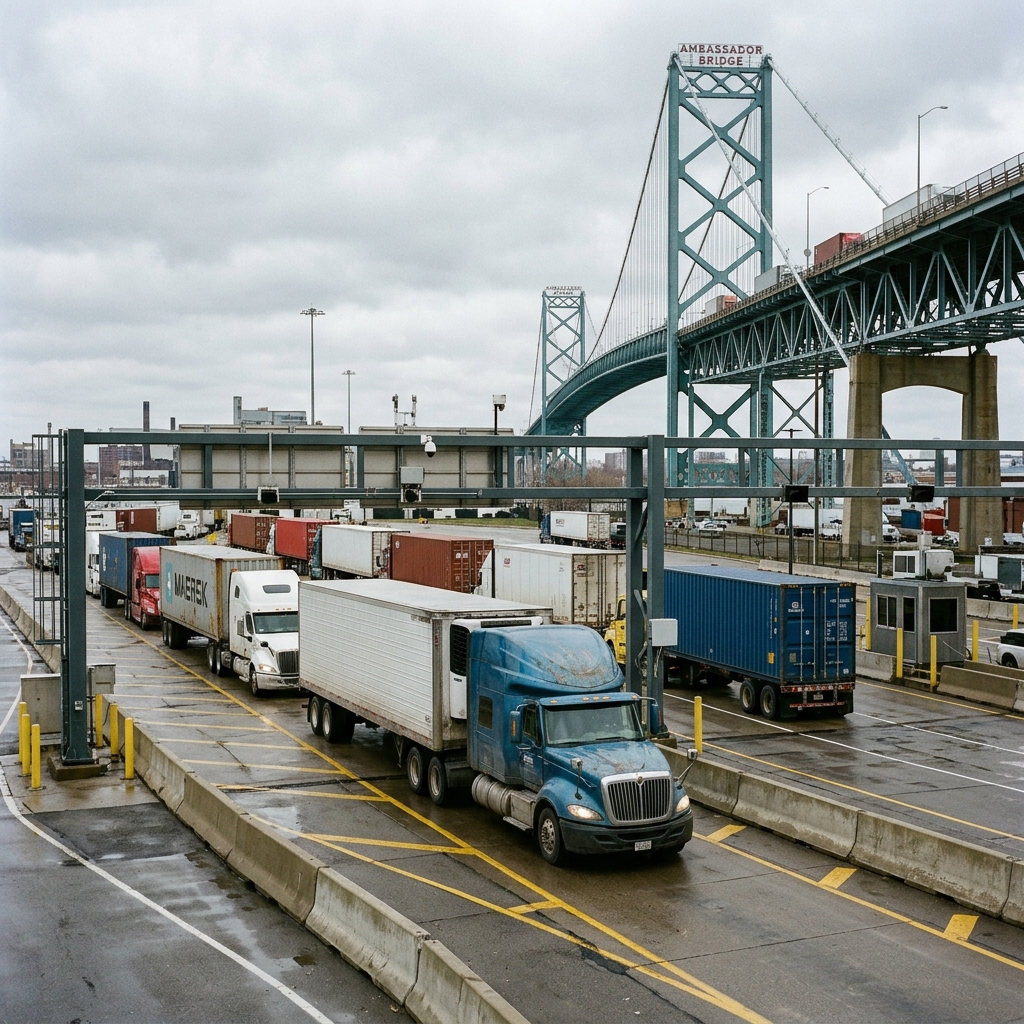
Canadian seafood processors across Nova Scotia and New Brunswick are actively reallocating their export portfolios. For decades, the industry relied on a predictable cross-border trucking corridor through the Calais-St. Stephen border crossing. Live lobster and snow crab moved down Interstate 95 to cold-storage warehouses in Boston and Portland. That traditional supply chain now faces persistent political risk from Washington. Threatened tariffs under the International Emergency Economic Powers Act have forced commercial fisheries to diversify. Exporters are shifting live shipments to direct air charters departing Halifax Stanfield International Airport bound for Shanghai and Guangzhou.
The commercial reality of these export changes is evident in daily customs declarations logged by the Canada Border Services Agency. Live lobster exports to the United States dropped 7.4 percent by volume over the past twelve months. Shipments consigned directly to Chinese mainland buyers rose by 18.2 percent over the same operational period. This real-time reallocation insulates Canadian processors from sudden border fees. It also delivers pricing power. Chinese buyers routinely pay a premium for live Homarus americanus during peak lunar calendar cycles. These overseas sales cover higher air-freight costs and deliver immediate foreign exchange returns in offshore yuan.
Maritime executives spent decades building cross-border processing joint ventures with seafood distributors in Maine. Under those historic pacts, live catch crossed border checkpoints tariff-free under preferential rules of origin. Now, processors view absolute reliance on the American market as an unacceptable balance-sheet exposure. Plant operators in Shediac and Yarmouth are investing capital expenditures directly into oxygenated holding tanks, automated grading machinery, and temperature-controlled packing facilities configured for international air freight. They are securing long-term charter capacity on international carriers rather than renewing commercial leases for distribution space across the northeastern United States.
2. The Maine-New Brunswick Processing Corridor Fractures Under Border Protectionism
The economic fallout of this shift lands heavily on the integrated border economy between Maine and Atlantic Canada. Historically, American harvesters shipped raw landings northward into New Brunswick for capital-intensive shucking, cooking, and freezing. The finished meat returned southward to American wholesale grocers and restaurant distributors. This bilateral assembly line functioned seamlessly under the Canada-United States-Mexico Agreement. However, threats of a blanket 10 percent to 25 percent import tariff by American policymakers introduce catastrophic inventory risk. A single percentage-point tariff levy wipes out the thin processing margins captured by independent Canadian plants.
Customs brokers operating along the New Brunswick border report that corporate logistics teams are rewriting commercial freight contracts. Instead of sending semi-trailers packed with raw product across the border for contract tolling, Canadian operators are processing raw domestic catch within their own provincial borders. They are allocating secondary meat volumes directly to European markets under the Comprehensive Economic and Trade Agreement and prioritizing live sales to Asian wholesalers. American distributors in Portland and Boston now struggle to maintain consistent cold-storage volumes. They face rising acquisition costs as Atlantic Canadian supply moves through alternative transport corridors.
Regulatory friction compounds the commercial split. U.S. Customs and Border Protection has intensified compliance reviews for North American maritime cargo, demanding stricter documentation for traceability and marine mammal protection standards. Canadian processors find these audits burdensome and unpredictable. In contrast, the General Administration of Customs of China has maintained streamlined quarantine clearance protocols for approved Canadian seafood facilities. Exporters who obtain GACC certification gain predictable terminal turnaround times. A shipment of live lobster cleared at Halifax can land at Shanghai Pudong International Airport within twenty-six hours, with port clearance completed before retail delivery.
3. Direct Logistics Corridors Bypass The St. Stephen-Calais Crossing
The logistics infrastructure supporting Canadian fisheries has adapted rapidly to this strategic pivot. Halifax Stanfield International Airport completed a sixty-million-dollar air cargo logistics park, adding specialized cold-storage aprons designed to service widebody freight planes. Cargo carriers such as Cargolux, Atlas Air, and Korean Air Cargo now run scheduled and chartered Boeing 777 freighter operations directly from Nova Scotia to Asian distribution centres. Similar supply chain investments are expanding throughput at Vancouver International Airport and the Port of Prince Rupert, which connect British Columbia salmon and Dungeness crab fisheries to transpacific markets without touching American territory.
Rail operators are also realigning intermodal networks to support this maritime shift. Canadian National Railway and Canadian Pacific Kansas City have introduced specialized refrigerated container services that move shelf-stable and blast-frozen seafood from Atlantic ports directly to western export terminals. By keeping product entirely within Canadian domestic corridors, processors eliminate foreign regulatory exposure. They bypass the commercial bottleneck of northern New England highways entirely. Freight forwarders report that this domestic routing reduces insurance premiums and removes foreign exchange conversion friction related to cross-border drayage and customs bonded warehouse fees.
Financial institutions in Toronto and Montreal are structuring working-capital facilities around these newly opened supply routes. Export Development Canada provides specialized receivables insurance for sales contracts negotiated with Chinese state-backed seafood importers and regional restaurant networks. Commercial lenders underwrite new capital programs based on forward purchase contracts denominated in offshore Chinese yuan and pegged currencies. These structured credit facilities allow independent maritime packers to manage the longer payment cycles typical of transpacific commerce. They no longer require short-term commercial paper backed by spot sales into Boston seafood wholesale auctions.
4. Structural Realignment Outlasts Short-Term Political Cycles In Washington
The migration of Canadian seafood exports toward China represents a permanent structural realignment rather than a temporary hedge. Trade lawyers in Ottawa warn that the mandatory 2026 joint review of the USMCA will trigger aggressive renegotiation demands from the Office of the United States Trade Representative. By cultivating deep commercial relationships across Shanghai, Beijing, and Shenzhen, Canadian fishing conglomerates build institutional leverage against future trade sanctions. They protect their dockside prices against regional purchasing cartels in the northeastern United States. They establish alternative sales outlets before American legislative changes take effect.
This eastward tilt carries distinct strategic risks for Canadian exporters. Engaging heavily with Chinese commodity markets exposes private operators to sudden non-tariff barriers, geopolitical retaliation, and regulatory shifts engineered by Beijing authorities. Canadian agriculture experienced similar disruptions during past diplomatic disputes involving canola seeds and pork products. Yet corporate executives across Atlantic Canada argue that commercial risk across the Pacific is manageable through diversified multi-port delivery contracts. For them, sudden, unilateral tariffs imposed by a volatile United States administration constitute an immediate threat to corporate solvency.
The transformation of the North American seafood trade signals a wider trend across bilateral commerce. When cross-border trading partners face recurring tariff threats from Washington, capital flows naturally seek alternative international counterparties. Canadian maritime processors have built the requisite physical infrastructure, secured cold-chain routes, and established credit facilities to operate without American middle-men. Even if the United States administration softens its tariff rhetoric, these redirected supply networks will remain fully operational. The traditional Maine-New Brunswick seafood corridor has lost its geographic monopoly over Atlantic seafood processing.