1. Republican Cattle-State Bloc Breaks With White House on Argentine Beef
ABC News reported this week that a group of Republican lawmakers broke with the White House over President Donald Trump's push to expand beef imports from Argentina. The lawmakers represent cattle states and said the plan would undercut ranchers just as input costs remain high. The criticism is unusual because it targets a president from their own party on a core agricultural issue. The report landed as grocery inflation remains a political problem and as the administration searches for ways to lower retail beef prices before the 2026 midterms.
Senator Deb Fischer of Nebraska and Senator John Hoeven of North Dakota have warned that imported beef can depress cash cattle prices without guaranteeing lower prices at the meat case. Senator Steve Daines of Montana and Senator Mike Rounds of South Dakota have made similar arguments. The lawmakers point to packer margins, not ranch returns, as the source of high retail beef prices. Their complaint is concrete: a larger Argentine quota would add supply to a market where US feeder cattle numbers are already tight after years of drought and herd liquidation.
The White House argues that more imports can ease food costs. That argument collides with the economics of the US cattle cycle. USDA data show the national herd has shrunk, and ranchers need time to rebuild. A sudden import channel from Argentina would compete with domestic beef and with live cattle from Canada and Mexico. CBP would police tariff-rate quotas and country-of-origin rules. The political risk is clear for Republicans who hold Senate seats in Nebraska, North Dakota, Montana and South Dakota.
2. Canada Tariff Fight Hits Live Cattle, Boxed Beef and the Bridges
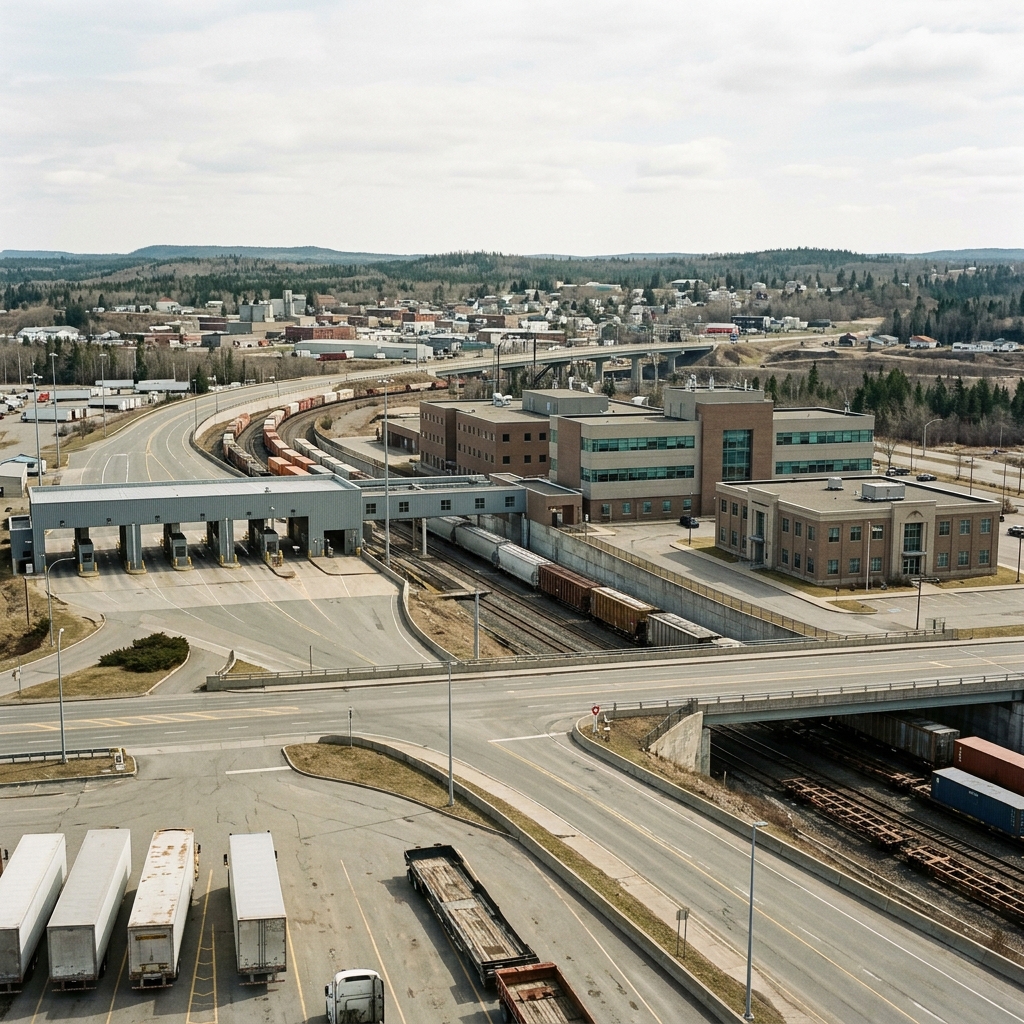
The same Republican bloc also criticized Trump's trade war with Canada. Canada is not a minor supplier. It ships live cattle, boxed beef, feeder calves and feed grains into the United States through the Ambassador Bridge, the Blue Water Bridge and CPKC rail networks. CBP and CBSA inspections add time and cost at every crossing. When Washington and Ottawa raise tariffs, the first damage appears in trucking schedules, rail car cycles and packing plant bookings. The ABC News report said lawmakers see the Canada fight as a self-inflicted wound for US ranchers and consumers.
The tariff mechanics matter. Trump's 25 percent tariffs on most Canadian goods and Canada's retaliatory levies raise the landed cost of cattle and beef. US importers pay CBP at entry, then seek to pass costs down the chain. Canadian exporters face CBSA and CRA compliance burdens and may redirect shipments. The Bank of Canada and the Federal Reserve set policy rates that move the Canadian dollar and the cost of working capital. A 25 basis point shift in the rate differential can change hedging decisions for cross-border cattle traders.
USMCA dispute panels are the formal channel for relief. Canada can challenge US tariffs as inconsistent with the agreement. The United States can challenge Canadian retaliation. Those cases move slowly, often over months. In the meantime, cattle move by truck and rail under CBP prior notice and USDA APHIS health rules. The Pacific Gateway and CPKC corridors handle feed and meat exports to Asia, so a North American tariff fight can affect global pricing. Lawmakers from border states hear directly from ranchers, feeders and packers about these costs.
3. The Regulatory Machinery Behind the Beef and Tariff Spat
The rules behind the beef dispute are dense. USDA sets tariff-rate quotas for imported beef. CBP enforces those quotas at ports of entry. APHIS sets animal health rules for live cattle. The Canadian Food Inspection Agency certifies beef and live animals for export. Any new Argentine beef channel would need USDA Food Safety and Inspection Service equivalence and CBP quota administration. Those steps are technical, but they determine whether imports arrive on time and at what cost. A quota that looks small on paper can move cash cattle prices in Nebraska and Kansas.
On the tax side, cross-border cattle and beef deals bring CRA and IRS rules into play. Transfer pricing, withholding taxes and permanent establishment questions affect integrated packers and feeders. The Canada Revenue Agency and the Internal Revenue Service can audit related-party sales between US and Canadian affiliates. Those audits raise compliance costs and slow deal execution. For public companies, the risk shows up in effective tax rates and working capital. For private ranchers, it shows up in the price of feeder cattle and the terms of forward contracts.
USMCA rules of origin and sanitary and phytosanitary measures are the legal core. A tariff can be legal under US law and still face a USMCA challenge. A Canadian retaliation list can target beef, pork, whiskey or machinery. Each product line has a different political constituency. CBP and CBSA must classify goods correctly, or importers face penalties and delays. The dispute panels do not set retail prices, but their rulings can reopen or close border channels. That is why cattle-state lawmakers treat the Canada fight as a supply chain issue, not a diplomatic sideshow.
4. What the Republican Pushback Means for Cross-Border Pricing and Strategy
The Republican pushback matters for pricing. If the White House expands Argentine beef imports, US cash cattle prices could soften in the short run. If the Canada trade war widens, live cattle and boxed beef flows could tighten. The two effects pull in opposite directions. Packers, feeders and retailers will hedge accordingly. CME cattle futures, basis levels in Nebraska and Kansas, and Canadian feeder cattle prices will signal which force is stronger. The Fed and Bank of Canada rate path will also shape the Canadian dollar and cross-border margins.
For executives, the task is to map exposure by product and crossing. A packer that relies on Canadian feeder cattle should stress test a 25 percent tariff and a 10 percent Canadian dollar swing. A retailer that buys Argentine beef should check CBP quota status and USDA labeling rules. A rail shipper on CPKC should model longer dwell times at the border. The USMCA review in 2026 adds another deadline. Companies that wait for a dispute panel ruling may lose the season. The cattle cycle does not pause for politics.
The political outlook is unsettled. Republican lawmakers from cattle states want lower input costs and stable ranch returns. The White House wants lower grocery prices. Canada wants tariff relief and predictable USMCA treatment. Those goals can be reconciled, but not by rhetoric alone. The next signals will come from CBP quota notices, USMCA panel schedules, Bank of Canada and Fed statements, and cattle movement data at the Ambassador Bridge and Blue Water Bridge. Investors should watch those data points, not the cable news clips.