1. Trump's Tariff Threat Rattles US-Mexico Trade Framework
Former President Donald Trump says he would double tariffs on Mexican imports unless Mexico curbs migration. The declaration has injected fresh uncertainty into the $400 billion annual bilateral trade relationship. Bloomberg reported the proposal, which lacks specifics on tariff rates or implementation timelines. Even so, it signals a possible return to the punitive trade tactics that defined Trump's first term. Mexico is the United States' largest trading partner. Any tariff hike would immediately affect cross-border supply chains finely tuned under the United States-Mexico-Canada Agreement (USMCA).
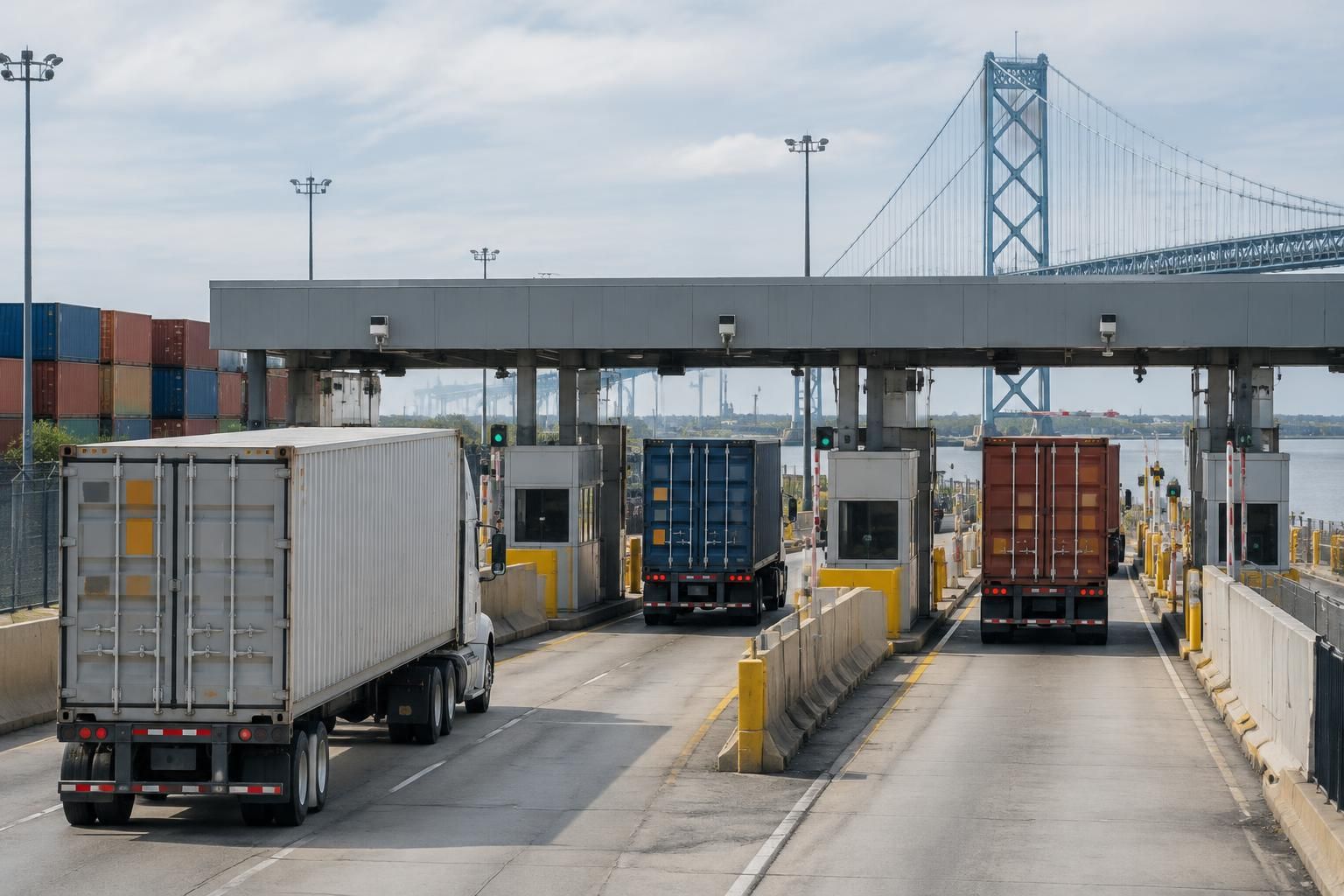
The threat comes as US Customs and Border Protection (CBP) continues to process record volumes at ports of entry like Laredo, Texas, and Otay Mesa, California. A doubling of tariffs would require CBP to reconfigure its duty collection systems. That could slow clearance times for perishable goods and industrial components. Mexican President Andrés Manuel López Obrador has not responded publicly. His administration has previously signaled willingness to engage on migration issues without linking them to trade policy. The White House has not commented on the former president's remarks.
Trade lawyers and former USMCA negotiators note that unilateral tariff increases would likely violate the agreement's dispute resolution provisions. Under USMCA, tariffs on most goods are zero. Any reimposition would require a formal review process. Mexico could challenge the move through a USMCA panel, but such proceedings take months. In the interim, importers would bear higher costs. Mexican exporters might seek alternative markets. The threat alone has already caused jitters among logistics firms that rely on just-in-time deliveries across the border.
2. Auto Sector and Agricultural Supply Chains Brace for Cost Shock
The US auto industry is particularly exposed. Mexico supplies roughly 15% of US auto parts. Vehicles assembled in Mexico account for nearly 20% of US car sales. A tariff doubling would hit major automakers like General Motors, Ford, and Stellantis, which operate plants in Mexico and rely on cross-border rail and truck routes. The CPKC rail network, which handles significant auto parts traffic, could see volume declines if tariffs make Mexican goods less competitive. Analysts estimate that a 100% tariff on Mexican auto parts could add $1,000 to $2,000 to the average vehicle cost.
Agricultural trade is equally vulnerable. Mexico is the top destination for US corn, soybeans, and pork. US grocery shelves depend on Mexican produce, especially avocados, tomatoes, and berries. A tariff hike would raise prices for consumers and squeeze margins for US retailers. The Fresh Produce Association has warned that tariffs on perishable goods would be especially damaging because importers cannot easily pass costs to consumers without losing sales. Mexican growers might redirect shipments to Europe or Asia, but logistics costs would rise.
Freight corridors like the Ambassador Bridge in Detroit and the Blue Water Bridge in Port Huron, which handle significant US-Mexico trade via Canada, could see diverted traffic if importers seek alternative routes. However, most US-Mexico trade moves by truck or rail through Texas and California. The impact would be concentrated at southern border crossings. CBP staffing at these ports is already stretched. Additional inspection requirements for tariffed goods could lengthen wait times.
3. Regulatory and Financial Market Implications of a Tariff Hike
Financial markets reacted cautiously to the news. The Mexican peso weakened slightly against the dollar, but volatility remained contained as traders questioned whether Trump would follow through. The Bank of Mexico has been holding interest rates steady, but a tariff shock could force it to intervene to stabilize the currency. US Treasury yields showed little movement, suggesting investors view the threat as political posturing for now. However, equity analysts are flagging auto and retail stocks as vulnerable if the proposal gains traction.
From a regulatory standpoint, the Internal Revenue Service (IRS) and Mexican tax authority (SAT) would need to coordinate on transfer pricing and duty drawback claims if tariffs are imposed. US importers would face higher duty bills. Some might seek refunds through USMCA rules of origin. The US Trade Representative (USTR) would likely face pressure from Congress to challenge Mexico's response, but the Biden administration has not signaled support for new tariffs. The Federal Reserve might monitor inflationary effects if import costs rise.
Canadian officials are watching closely. Although the threat targets Mexico, Canada is part of the same USMCA framework. Any US move to ignore treaty commitments could undermine confidence in the agreement. The Bank of Canada and Canada's Department of Finance have modeled scenarios where US tariffs on North American goods disrupt cross-border supply chains. Canadian exporters to the US, especially in auto and machinery, could face indirect effects if US demand for Mexican components falls.
4. Bilateral Outlook: Diplomatic and Economic Risks Ahead
The diplomatic fallout could be significant. Mexico has been a cooperative partner on migration enforcement, hosting US-bound migrants and accepting deportees. Linking trade to migration could strain that cooperation. López Obrador's government has already threatened legal action if tariffs are imposed. Mexican officials might slow cooperation on other issues, such as fentanyl precursor chemicals. The US State Department and Department of Homeland Security would need to manage the relationship carefully to avoid a broader breakdown.
Economically, the threat adds uncertainty to an already fragile global trade environment. The World Trade Organization (WTO) has warned against unilateral tariffs. US allies might view the move as a return to protectionism. US companies with Mexican operations are reviewing contingency plans, including shifting some production to Vietnam or India, but such moves take years. Nearshoring trends, which have boosted Mexican manufacturing, could stall if tariffs become reality.
For investors, the key is to monitor signals from the Trump campaign and Biden administration. If Trump wins the election, he could move quickly to impose tariffs, but he would face legal challenges and business opposition. The US Chamber of Commerce has historically opposed tariffs that raise costs for US companies. For now, the threat remains a campaign talking point. Its potential to disrupt North American trade is real and warrants close attention.