1. Washington and Ottawa Maintain Dialogue Without Target Resolution Dates
U.S. Trade Representative Katherine Tai confirmed recent closed-door discussions with Canadian Trade Minister Mary Ng, signaling that while communication channels remain active, Washington rejects any artificial timeline to resolve longstanding cross-border trade disputes. The lack of a firm deadline introduces calculated ambiguity for corporate treasuries managing bilateral exposure across the world's largest commercial relationship. With annual two-way goods and services trade exceeding $900 billion, both capitals are managing immediate regulatory frictions while preparing for the mandatory 2026 review of the United States-Mexico-Canada Agreement. Negotiators met in Washington last week to review compliance enforcement across several protected sectors.
Canadian officials had sought clear benchmarks to address punitive measures before the 2026 review cycle accelerates political pressure in Washington. The Biden administration maintains that technical consultations must proceed without arbitrary deadlines that could compromise American leverage. According to reporting from The Hub, U.S. negotiators expressed reluctance to settle separate sectoral complaints in a single package. The Office of the United States Trade Representative is balancing demands from Capitol Hill lawmakers, agricultural lobbies, and domestic manufacturers who want strict adherence to text agreed upon during the 2018 negotiations. Ottawa must now decide whether to offer concessions or risk protracted dispute arbitration.
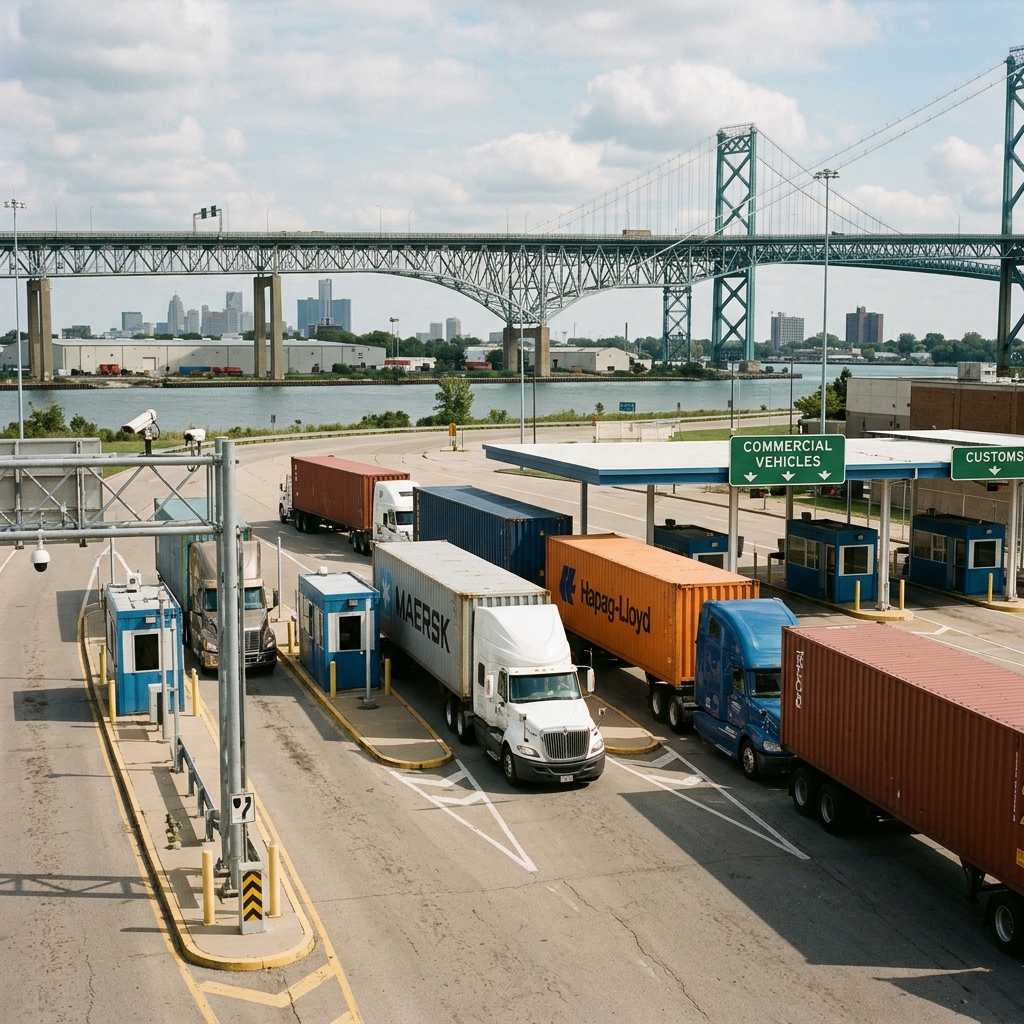
The dialogue unfolds as economic fundamentals diverge between the two partners. The Bank of Canada lowered its policy rate to support softening domestic consumption, while the Federal Reserve maintained higher benchmark borrowing costs throughout late autumn. This rate spread pushed the Canadian dollar down near 71 cents U.S., increasing the cost of machinery and component imports for Canadian firms. Cross-border logistics networks like CPKC and commercial truck corridors across the Blue Water Bridge in Port Huron continue to handle heavy volumes, but freight managers face rising compliance expenses as regulatory uncertainty lingers over specialized tariff classifications.
2. Digital Services Tax and Dairy Disputes Anchor the Bilateral Impasse
Two policy files dominate the immediate cross-border frictions: Canada's unilateral Digital Services Tax and American access to Canadian supply-managed dairy markets. Ottawa enacted its three percent levy on foreign digital platforms retroactive to 2022, a measure projected by the Parliamentary Budget Officer to raise $5.9 billion over five years. The USTR initiated dispute consultations under USMCA Chapter 31, arguing the tax discriminates directly against American technology giants like Alphabet, Meta, and Amazon. American trade officials reiterated that unilateral revenue grabs violate treaty principles, warning of targeted retaliatory tariffs on Canadian consumer products if the Department of Finance refuses to alter its legislative course.
The agricultural sector presents an equally stubborn barrier. The United States won a USMCA dispute panel ruling in 2021 regarding Canada's tariff-rate quotas on dairy, yet Washington argues Ottawa merely adjusted internal administrative rules without expanding physical market access. American dairy producers estimate annual losses of $200 million due to Canadian quota allocations that favor domestic processors over retail distributors. Canadian dairy groups defend the supply management system as non-negotiable for rural stability. With neither capital willing to alienate domestic farm constituencies, the USTR refuses to grant concessions on manufacturing rules of origin or lumber duties until Ottawa modifies its dairy quota administration.
Softwood lumber duties add another historical grievance to current negotiations. The U.S. Department of Commerce recently raised preliminary anti-dumping and countervailing duties on Canadian softwood lumber to 14.54 percent, up from 8.05 percent. Canadian forest product companies in British Columbia and Quebec absorb these levies while facing lower housing starts across North America. Although the British Columbia lumber industry secured favorable findings from past NAFTA Chapter 19 panels, Washington continues to enforce deposit collections at the border. Without a bilateral quota agreement, the lumber file remains an unaddressed drag on cross-border construction supply chains.
3. Industrial Supply Chains and the Looming 2026 USMCA Joint Review
The absence of a near-term deal elevates the strategic importance of the July 2026 USMCA joint review mechanism. Article 34.7 of the agreement requires all three member nations to conduct a formal assessment and confirm in writing whether to extend the pact for another 16 years. If any partner declines, annual joint reviews begin immediately, triggering a ten-year countdown to treaty termination. Automotive assemblies along the Windsor-Detroit manufacturing corridor depend entirely on the seamless passage of components across the Ambassador Bridge. An unresolved dispute list threatens to transform the 2026 check-in from a routine administrative audit into an adversarial renegotiation of core origin rules.
Steel, aluminum, and critical mineral supply chains face secondary risks under current trade enforcement policies. U.S. Customs and Border Protection has intensified monitoring of transshipment risks, scrutinizing metals entering the United States from Canadian processing centers to prevent third-country market dumping. Meanwhile, the Canadian International Trade Tribunal continues to assess foreign metal imports that could distort domestic pricing. Both nations claim to pursue integrated continental supply security, yet industrial procurement rules like Buy America restrict Canadian contractors from bidding on federally financed infrastructure projects south of the border. These procurement curbs cost Canadian industrial exporters billions of dollars in lost public procurement opportunities.
Energy flows across the international boundary remain another friction point, despite heavy mutual reliance. Canadian producers ship over four million barrels of crude oil per day to American refineries, while Canadian refineries in Quebec and Atlantic Canada import refined fuels from the U.S. Gulf Coast. Environmental litigation and regulatory reviews concerning Enbridge Line 5 in Michigan demonstrate how municipal and state disputes can disrupt energy security. Federal trade officials on both sides recognize that uncoordinated regulatory policies increase baseline transportation costs for bulk energy shippers, yet neither administration has integrated pipeline security protocols into broader USMCA dispute resolution mechanisms.
4. Strategic Roadmaps for Commercial Operators and Corporate Treasuries
Commercial shippers and financial directors must prepare for sustained trade friction rather than swift diplomatic compromise. Corporate legal teams are already restructuring cross-border contracts to include tariff adjustment clauses and jurisdictional arbitration provisions that bypass prolonged bilateral panel reviews. Multinational corporations operating in both jurisdictions face growing compliance overhead from the Canada Revenue Agency and the Internal Revenue Service, particularly regarding transfer pricing audits and digital service liabilities. Treasury desks are adjusting hedging programs to insulate corporate cash flows from foreign exchange volatility driven by trade policy announcements.
Capital allocators are focusing investments on physical border infrastructure that can withstand administrative delays. Port operations at the Pacific Gateway in Vancouver and Prince Rupert offer partial diversification for exporters seeking access to Asian markets, reducing pure reliance on American freight corridors. However, roughly three-quarters of Canadian exports continue south across road and rail crossings. Freight operators report that customs clearance wait times at high-density commercial ports like the Peace Bridge and Blue Water Bridge have expanded by eight percent over the past year due to secondary security inspections and digital documentation audits.
Ottawa faces an asymmetric strategic challenge as political calendars align against quick compromises. U.S. congressional leaders from both parties back aggressive enforcement of trade remedy laws, while the White House views bilateral trade compliance through the lens of domestic industrial capacity. Canadian trade diplomats must build direct alliances with state governors and industrial trade associations that depend on Canadian raw materials and integrated component assemblies. Without a formal timetable for bilateral negotiations, cross-border commerce will operate under steady regulatory tension until the comprehensive 2026 USMCA review forces formal decisions.