1. U.S. Trade Chief Puts Tariff Deal With Canada Within Reach, With China Clause as the Sticking Point
Washington's top trade official told The Hub that a tariff package with Canada is close. Negotiators at the U.S. Trade Representative's office and Global Affairs Canada are working through the final lines. The remaining dispute is Ottawa's proposed economic arrangement with China. The U.S. side wants binding language on transshipment, Chinese electric-vehicle content and critical minerals before it signs off on relief from tariffs that have raised costs for steel, aluminum and auto-parts importers on both sides of the border.
The timing is tight. The USMCA joint review is scheduled for 2026, and both governments are already assembling legal and customs files. Section 232 duties on steel and aluminum, USMCA rules of origin for vehicles and the treatment of Chinese components remain live issues. CBP and CBSA would need to verify melting and pouring records, parts tracing and supplier declarations. A ministerial announcement without those enforcement mechanics would leave importers exposed to audits and retroactive duty bills. That risk matters for mid-sized manufacturers.
Ottawa faces a narrow path. Canada needs access to the U.S. market for autos, energy, canola, pork and critical minerals. It also wants room to manage its own China relationship after retaliatory tariffs and disputes over electric vehicles. The U.S. trade chief's warning narrows that room. Canadian officials must show Washington that any China pact will not become a backdoor for goods that bypass U.S. duties. The answer will likely be a side letter, shared audit rights and a consultation trigger if Chinese investment in Canadian processing plants rises.
2. Tariff Relief Hinges on CBP and CBSA Verification, Not Just Ministerial Handshakes
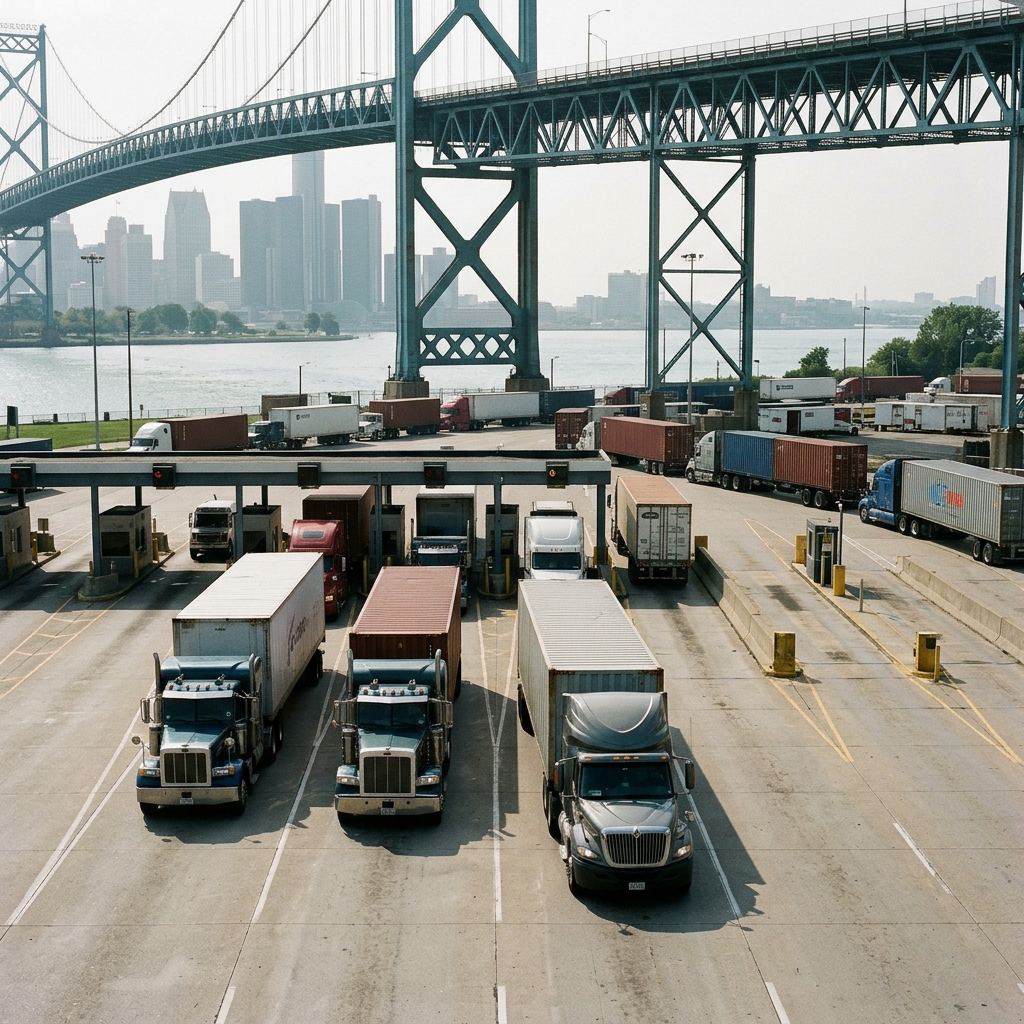
The tariff deal will live or die in customs paperwork. CBP collects duties at 328 ports of entry, and CBSA verifies origin before goods leave Canada. For steel and aluminum, the paper trail starts with melt and pour records. For autos, it runs through bill-of-material tracing and North American value-added calculations. For critical minerals, it requires mine-to-market documentation. A political deal that does not align those systems will create disputes at the Ambassador Bridge, the Blue Water Bridge and the Pacific Gateway. Importers will pay brokers to build files that auditors can test.
Tax agencies are part of the same plumbing. The CRA and the IRS exchange information under the Canada-U.S. tax treaty. Customs authorities already share some risk data. A tariff package could expand that exchange to include supplier ownership, transfer-pricing records and beneficial ownership for Chinese-linked firms operating in Canada. Privacy laws and taxpayer confidentiality rules limit how far that can go. Still, the U.S. Treasury and Canada's Finance Department have room to create a joint verification protocol. The model would resemble existing mutual assistance arrangements in customs matters.
Compliance costs will not vanish. Customs brokers, bonded warehouses and rail yards need time to update systems. CPKC and Canadian National move auto parts and finished vehicles across the border each day. A 24-hour delay at a bridge can idle assembly plants in Ontario and Michigan. The deal should include a 90-day implementation window, clear retroactivity rules and an appeals channel for importers that relied on prior guidance. Without those details, the tariff relief may arrive with a new layer of legal risk.
3. China Pact Concern Centers on Transshipment, EV Content and Critical Minerals
Washington's China concern is specific. U.S. officials fear a Canada-China pact could let Chinese electric vehicles, batteries, solar components or processed minerals enter Canada and then claim USMCA treatment. The U.S. has Section 301 tariffs on Chinese goods and tight rules for clean-vehicle credits. Canada has its own tariffs on Chinese EVs and a screening regime under the Investment Canada Act. The U.S. trade chief wants Ottawa to commit to shared origin audits and a notification process before any China deal expands. That demand turns a bilateral tariff file into a three-way enforcement problem.
Critical minerals are the hardest case. Canada has lithium, nickel, cobalt and graphite projects. China dominates processing and refining for many of those materials. A Canada-China arrangement that allows Chinese firms to process Canadian minerals could complicate USMCA origin claims and U.S. clean-vehicle credits. The U.S. Treasury and USTR would need to trace ownership, processing location and value added. Canadian miners want access to Chinese capital and markets. Washington wants a strict limit. The compromise may be a cap on Chinese ownership in projects that supply U.S.-bound auto and battery chains.
Enforcement will require intelligence sharing. CBP uses forced-labor risk alerts and trade-data analytics. Canada's border agency uses advance cargo information and post-entry audits. The U.S. Treasury's sanctions office and Canada's Global Affairs Department screen entities. A China pact would need a common list of restricted suppliers and a process to share findings. The U.S. trade chief's warning signals that Washington will test any Canadian arrangement against those systems. If the data does not match, the tariff deal could stall in Congress and in USMCA dispute panels.
4. A Deal Would Cut Border Friction, but USMCA Review and Rate Spreads Keep Risk Premium Alive
Markets will price the announcement as a risk event. Two-way U.S.-Canada goods and services trade is roughly US$900 billion a year. The Canadian dollar trades on rate spreads between the Bank of Canada and the Federal Reserve. A tariff deal could narrow the currency's risk premium by 20 to 30 basis points, according to trade desks. A China-pact fight could widen it. Investors in auto parts, rail, energy and agriculture should watch the U.S. dollar-Canadian dollar forward curve and the yield spread between two-year Canadian and U.S. government bonds.
Physical supply chains will react before financial markets. The Ambassador Bridge carries about one-quarter of Canada-U.S. merchandise trade. The Blue Water Bridge handles a large share of auto and chemical freight. The Pacific Gateway moves containers and bulk goods to Asia. CPKC and Canadian National run rail corridors that feed Detroit, Chicago and Toronto. A tariff deal with faster customs clearance would lower inventory buffers. A China-pact dispute would raise inspection rates and add days to transit. Shippers should model both scenarios for the third and fourth quarters.
The strategic outlook runs through the 2026 USMCA review. The U.S. trade chief's comments give Ottawa a short window to settle tariff relief before that review begins. Canada must show it can control transshipment and Chinese investment without closing its economy to Chinese demand. Washington must show that tariff relief is durable and not subject to a social-media reversal. Executives should prepare two compliance playbooks. One covers a deal with joint CBP-CBSA audits. The other covers a prolonged tariff fight with higher duties and slower border clearance.