1. Greer Opens a Sectoral Door for Canada While Keeping Section 232 Tariffs in Place
Global News reported this week that U.S. Trade Representative Jamieson Greer said Washington wants to accommodate Canada on sectoral tariffs. That is not a blanket exemption. Section 232 duties on steel, aluminum and autos remain in force at U.S. ports. CBP still collects them under existing Harmonized Tariff Schedule lines. Greer's comment points to product-specific relief, quota arrangements or tighter USMCA origin checks, not a broad rollback. Canadian officials have pressed for relief since the tariffs began. Industry groups warn that border costs are already moving through contracts.
The USTR's language gives Ottawa a narrow opening. A workable accommodation could come through exclusions for Canadian steel grades, aluminum products or auto parts that meet USMCA regional value content rules. Commerce and USTR would need to publish the change in the Federal Register. CBP would then update entry instructions. Until that happens, importers face the same cash-flow burden. Greer also tied any flexibility to enforcement. Washington wants assurances that Chinese or other foreign metal does not enter the United States through Canada. That condition puts CBSA transshipment controls and Canadian mill certificates under fresh scrutiny.
Canadian officials responded with caution. A senior government official said Ottawa welcomes any signal of flexibility but will judge the offer by written measures, not interviews. Provincial premiers from Ontario and Quebec have demanded relief for steel, aluminum and auto suppliers. The Canadian Steel Producers Association and auto parts makers have warned that 25% duties, and 50% on some aluminum lines, erode margins and threaten capital spending. The political test is whether Greer's words become a published exclusion process before summer construction and model-year auto contracts lock in input costs.
2. Steel, Aluminum and Auto Margins Depend on CBP and CBSA Paperwork
Steel and aluminum are the first pressure point. Canada is the largest foreign supplier of both metals to the United States. Section 232 tariffs have changed the economics of every coil, billet and ingot that crosses the border. CBP collects the duty at entry, so a Canadian mill or U.S. buyer must fund the charge before any refund or exclusion arrives. The cash drain hits smaller fabricators hardest. A product exclusion would help only if it covers specific HTS codes and comes with clear origin tests. Without that detail, traders will keep pricing the tariff into contracts.
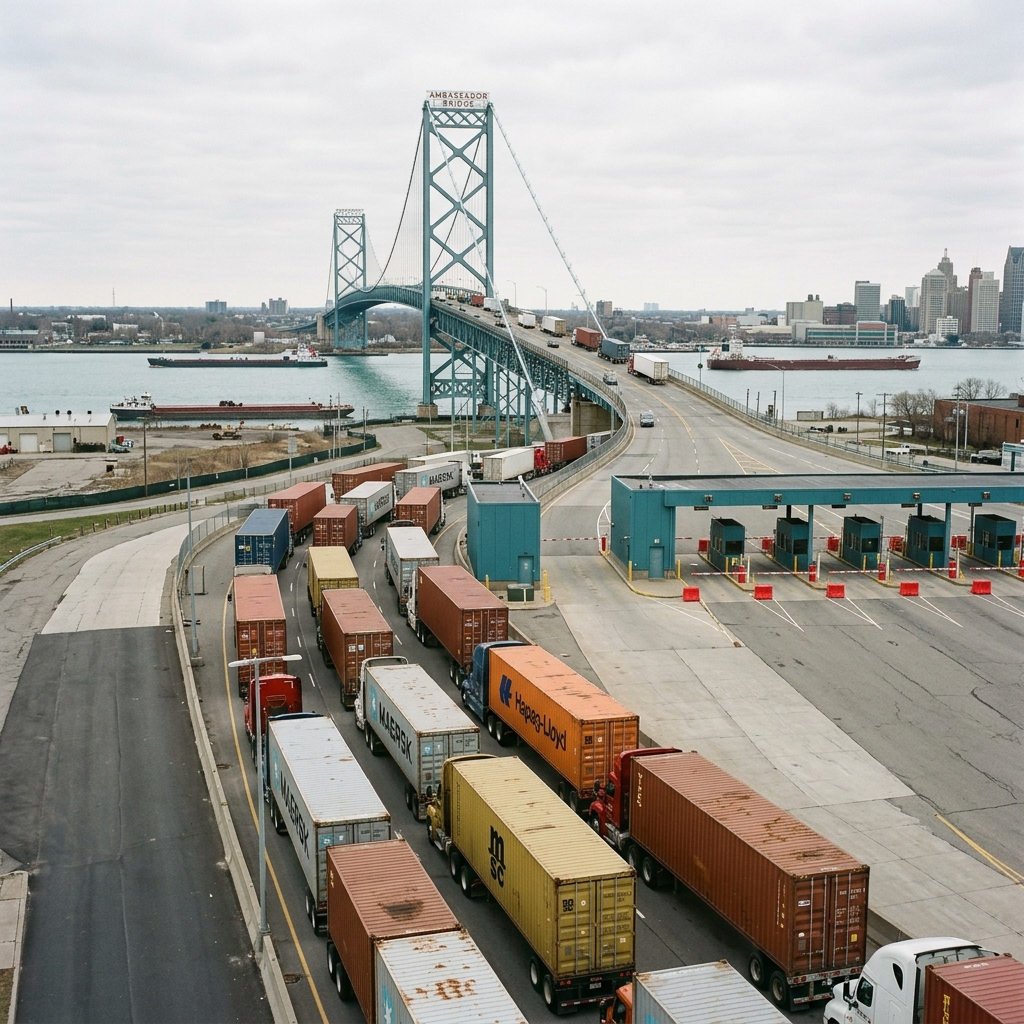
Autos are the second pressure point. The U.S. 25% auto tariff and related parts duties touch a supply chain that crosses the Ambassador Bridge and Blue Water Bridge many times before a finished vehicle reaches a dealer. Ford, General Motors and Stellantis depend on Canadian engine, stamping and battery plants. USMCA content rules can reduce the tariff, but the paperwork is demanding. CBP wants supplier declarations, bills of material and production records. CBSA must verify exports. Any accommodation from Greer would likely tighten those rules, not loosen them, because Washington wants to keep pressure on non-USMCA content.
Energy, potash and lumber sit outside the core sectoral tariff fight, but they shape Canada's leverage. Canada supplies the United States with crude oil, natural gas, electricity, uranium and potash. Those flows give Ottawa bargaining room even when steel and auto talks stall. The Bank of Canada and the Federal Reserve also matter. Tariff costs lift U.S. goods prices, complicate the Fed's rate path and pressure the Canadian dollar. A 25 basis point gap in policy rates can move hedging costs for cross-border shippers. A weaker loonie raises the cost of U.S. inputs for Canadian exporters. The result is a two-way margin squeeze that no single exclusion can fix.
3. USMCA Panels and Federal Register Notices Will Decide the Real Relief
USMCA dispute panels will decide how much of Greer's accommodation survives. Canada can challenge U.S. Section 232 measures under Chapter 31 state-to-state rules or seek a Chapter 19 binational panel on specific determinations. Those cases move slowly. A panel can order consultations, issue findings and pressure Washington to adjust. It cannot collect tariffs for a Canadian exporter. Companies still need CBP rulings on HTS classification and country of origin. The practical relief will come from Federal Register notices, not from a headline. Ottawa's trade lawyers are already mapping which product lines have the strongest legal record.
Customs paperwork is where the policy becomes cash. CBP Form 7501 entry summaries, commercial invoices, mill certificates and USMCA certifications all feed the duty calculation. A missing supplier declaration can turn a zero-duty shipment into a 25% or 50% charge. CBSA export declarations and Canadian Chamber of Commerce certificates also matter. The Canada Revenue Agency and IRS treat tariff refunds and adjustments as taxable income or deductible costs, so finance teams must track them closely. For mid-sized manufacturers, the accounting cost of compliance can exceed the tariff saving on a single shipment.
Rail and truck corridors set the pace of any relief. CPKC and Canadian National move steel, auto parts, grain and potash through border crossings in Ontario, Manitoba and British Columbia. The Ambassador Bridge carries roughly $300 million in goods each day, and the Blue Water Bridge is a critical auto and chemical route. Pacific Gateway ports handle Asian imports that Canadian factories use. A sectoral exclusion that applies only at one port or one mode would create arbitrage. CBP and CBSA will need joint guidance so carriers do not reroute freight to chase a paperwork gap.
4. Ottawa Has a Narrow Window Before Retaliatory Tariffs and Politics Collide
Greer's comments land in a tense political season. President Trump has used tariffs as leverage on border security, defense spending and manufacturing. Canada has retaliated with targeted duties on U.S. steel, appliances, bourbon and agricultural goods. Any accommodation for Canada would invite questions from U.S. producers who want protection. The USTR must balance those demands with the reality of integrated plants. A Canadian auto part can cross the border six times before installation. A tariff on each pass raises costs for U.S. assembly workers and consumers. That arithmetic limits how far Washington can push without hurting its own base.
Canadian business is preparing for a long negotiation. Exporters are reviewing USMCA certifications. They are adding suppliers in Mexico and the United States and shifting some production to U.S. plants. The Pacific Gateway and CPKC network give Canada options for Asian and Mexican trade, but geography still ties Ontario and Quebec factories to U.S. customers. A narrow exclusion for steel or auto parts would help specific firms. It would not reverse the larger investment chill. Boardrooms are delaying capital projects until they see written rules, not a trade czar's interview. That delay is already visible in machinery orders and cross-border truck volumes.
The outlook is for limited, conditional relief. Greer's signal gives Ottawa a channel to seek product exclusions and quota deals. It does not end the Section 232 regime or restore pre-2025 tariff levels. Investors should watch three markers: Federal Register notices, USMCA panel rulings and CBP entry instructions. Executives should also track the Bank of Canada and Federal Reserve rate paths, because a wider rate gap can move the Canadian dollar and alter the landed cost of U.S. inputs. The safest assumption is that sectoral tariffs remain a live cost through 2026. Relief will likely arrive one product line at a time.