1. Canada and China Sign Pet Food Protocol With US$370 Million Export Target
Canada and China have finalized a pet food trade protocol that PetfoodIndustry values at a potential US$370 million in annual exports, according to the publication. The agreement gives Canadian processors a formal path to China's customs and inspection system after years of case-by-case approvals. At first, the change is procedural. Canadian plants can seek Chinese registration and CFIA export certificates for pet food shipments. Sales will build in stages. Chinese buyers and distributors must test supplier reliability before they commit shelf space and working capital. The US$370 million figure is a ceiling, not revenue for the first quarter.
The deal covers processed pet food, a category that includes extruded kibble, baked treats, and canned wet food. Chinese customs rules treat these products as animal-derived goods, so the protocol sets animal health attestations, facility registration, and packaging requirements. Canada's rendering sector supplies many of the fats and proteins used in the formulas. Poultry meal, beef tallow, fish meal, and grain fractions move through Ontario, Quebec, and Prairie plants before they reach export packers. Each ingredient stream needs traceability records that satisfy CFIA and GACC auditors. A single documentation gap can hold a container at a Chinese port.
Canadian pet food exports already flow to the United States at scale. The US remains the dominant market for most Canadian manufacturers. China offers a second large market with different tastes and price tiers. Premium cat food and dog food sell through e-commerce platforms, specialty chains, and veterinary clinics in Shanghai, Beijing, and Shenzhen. The US$370 million potential assumes Canadian firms win share from US, New Zealand, Australian, Brazilian, and Thai suppliers. That fight will be won on certification speed, freight reliability, and brand trust. Price alone will not carry the day for Canadian exporters.
2. CFIA and GACC Certification Rules Decide Who Ships First
The Canadian Food Inspection Agency will issue export certificates, inspect facilities, and verify that products meet China's animal health terms. The General Administration of Customs of China will register Canadian establishments and clear shipments at ports such as Shanghai, Tianjin, and Guangzhou. Canadian exporters must submit plant layouts, process flow diagrams, pest control records, and supplier lists. GACC can audit facilities by document review or on-site inspection. The Canada Border Services Agency will handle export reporting and enforcement at Canadian ports. CRA tax compliance and corporate records also matter for firms seeking financing and refunds.
China's pet food import regime has tightened over the past decade. GACC registration is facility-specific, and Chinese importers must hold the right business license and food distribution permits. Labels need Chinese-language ingredient lists, feeding instructions, and importer details. Some categories require pre-shipment laboratory tests for pathogens, heavy metals, or prohibited additives. Canadian labs accredited by CFIA will carry more weight with Chinese buyers. The protocol reduces uncertainty, but it does not remove China's right to suspend a plant or a product line after a compliance failure. Exporters need recall and traceability plans before the first container leaves.
Small and mid-sized Canadian manufacturers face a fixed-cost problem. Registration, testing, translation, and travel can run into tens of thousands of dollars per facility before a single sale. Larger firms with existing food safety teams can absorb those costs. CFIA inspection capacity is another constraint, because the agency must prioritize export certificates alongside domestic and US-bound work. Provincial agriculture ministries in Ontario, Quebec, Alberta, and British Columbia may offer market development grants. Banks will look for purchase orders and buyer contracts before extending trade finance. Bank of Canada policy rates and Fed rates shape the cost of that credit.
3. Rail, Ports and US Inputs Set the Real Cost of the Deal
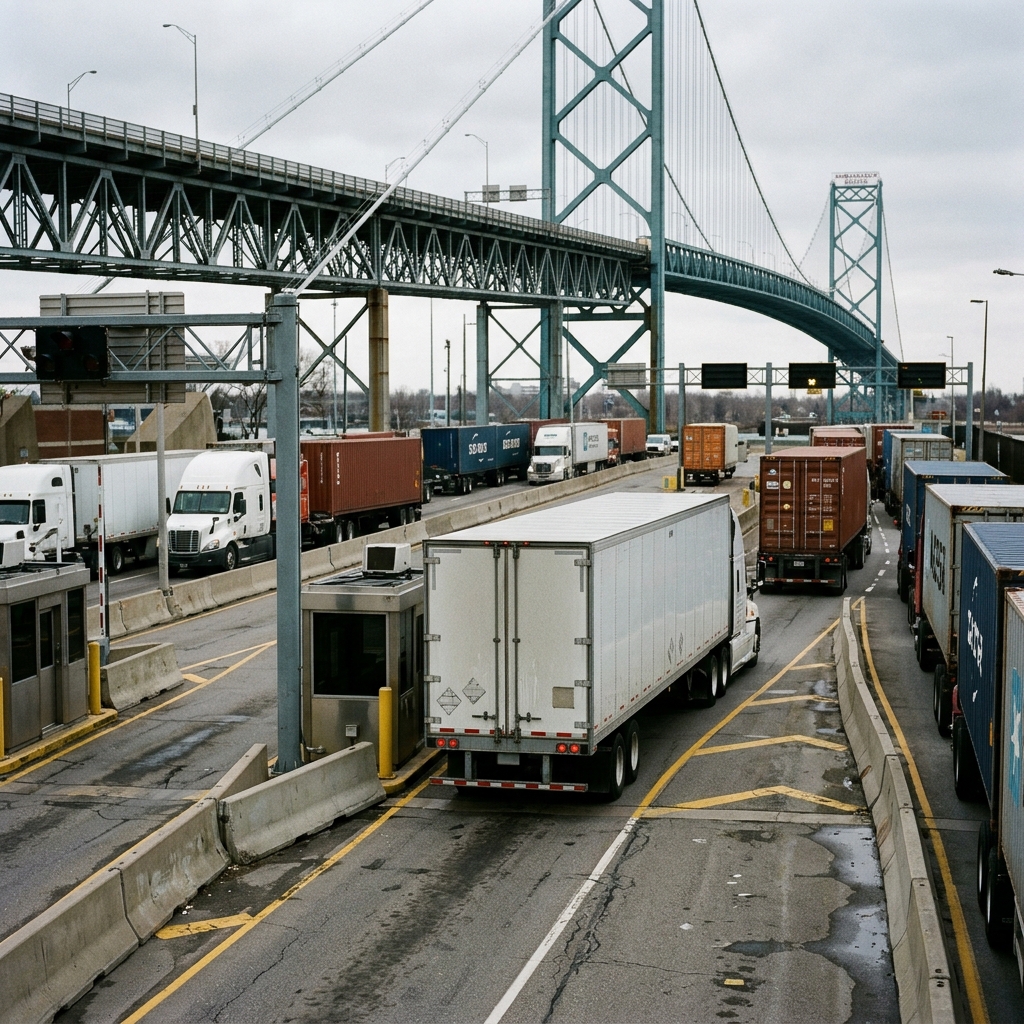
Most Canadian pet food bound for China will move by rail to the Pacific Gateway. CPKC and CN serve the Port of Vancouver and Prince Rupert, where container terminals connect to transpacific services. A plant in southern Ontario can rail product west or truck it to a US port based on rates and schedules. The Ambassador Bridge and Blue Water Bridge carry US-sourced ingredients into Canadian plants, so customs paperwork under USMCA matters. CBP and CBSA officers clear those inputs. Freight volatility can erase the margin on a low-value, high-volume pet food container.
Container availability and transit time decide whether Canadian product reaches Chinese retail shelves on schedule. Pet food is dense and heavy, so freight costs per kilogram are higher than for many consumer goods. Vancouver's rail connections are strong, but winter weather and port congestion can add days. Prince Rupert offers a shorter ocean leg to some Asian ports. Exporters need booking discipline and buffer inventory. Canadian National and CPKC rail networks also carry grain and fertilizer, so pet food competes for capacity during harvest season. A reliable supply chain is a sales argument in China.
Currency and financing costs sit behind every shipment. The Bank of Canada policy rate and the Federal Reserve funds rate influence short-term credit and hedging costs. A spread of 50 to 100 basis points in trade finance can change the price a Chinese distributor will accept. Exporters can hedge CAD/USD exposure, but CAD/CNY hedging is less liquid for smaller firms. CRA rules on foreign exchange gains and losses affect after-tax returns. US parent companies may need IRS transfer pricing documentation for ingredient sales into Canadian subsidiaries. The US$370 million potential is a gross export figure, not a net margin figure.
4. A Technical Win With Limited Room for Broader Trade Optimism
The pet food protocol is a narrow technical agreement. It does not resolve Canadian canola, pork, beef, or seafood disputes with China. It does not change tariffs on other goods. It does not create a new dispute panel under USMCA. It does give Canadian agri-food exporters a concrete win after years of tense bilateral management. China needs reliable protein and pet food suppliers, and Canada needs markets beyond the United States. The deal fits both interests without requiring a political reset. That is why it can move forward while larger files remain stuck.
Investors should treat the US$370 million figure as a long-run export potential, not a guaranteed annual flow. Full build-out requires GACC registration of many plants, Chinese buyer acceptance, and stable shipping. A single suspension or disease-related import ban could cut the number. Publicly traded Canadian processors and ingredient suppliers may see modest revenue gains over several quarters. Private firms will drive much of the volume. Lenders and insurers will watch CFIA inspection reports and GACC registration lists. The first reliable signal is the number of Canadian facilities that appear on China's approved list.
One lesson stands out: technical trade agreements can deliver value when broad politics stall. Canada should keep building inspection capacity, lab accreditation, and traceability systems that serve multiple markets. China should keep registration timelines predictable and publish clear rules. A stable pet food channel can support Canadian rendering, packaging, rail, and port employment. It can also give Chinese consumers more choice. The deal will not transform the bilateral relationship. It can still add real dollars to Canadian export receipts if both governments execute the paperwork without surprises.