1. Carney Ties Chinese Seafood Tariff Relief to a Wider Canadian Export Reset
Mark Carney's remarks to IntraFish about Chinese seafood tariff relief go beyond the fish trade. The Prime Minister said the relief gives Canada more "freedom" from the United States and unlocks "billions" in export value. His office did not publish a precise annual figure. That gap matters. The claim covers gross sales over time, not net profit for processors. It also depends on how Chinese customs applies the relief. Beijing's Ministry of Commerce and the General Administration of Customs control practical access. Until those agencies publish operative notices, Canadian exporters have a political signal, not a tariff schedule they can take to a bank.
The relief follows a difficult 2025. China imposed 25% duties on Canadian seafood and pork after Ottawa placed tariffs on Chinese electric vehicles, steel and aluminum. Those duties hit Atlantic lobster, crab and shrimp exporters and Pacific salmon and frozen seafood shippers. China is Canada's second-largest seafood market after the United States. The U.S. buys the bulk of Canadian live lobster and frozen product. A 25% Chinese duty made Canadian product less competitive against Russian, Ecuadorian and Southeast Asian suppliers. Removing that duty changes landed cost at Shanghai, Guangzhou and Qingdao. It does not change Chinese demand by itself.
Exporters now face a paperwork test. Canadian Food Inspection Agency health certificates, Chinese importer licenses, catch documentation and CBSA export declarations must line up. A container of live lobster can lose value within hours if air freight is delayed. Frozen crab and shrimp have more time, but they still need cold-chain discipline. The "billions" in Carney's framing will arrive as invoice values, not as a single windfall. Processors must finance inventory, absorb freight volatility and hedge currency. The Bank of Canada's trade-weighted loonie and Chinese demand cycles will decide whether the tariff relief becomes margin or merely volume.
2. Lobster Processors and Pacific Gateways Gain, but Margins Depend on Customs and Cold Chain
Atlantic Canada is most directly exposed. Nova Scotia live lobster, Newfoundland crab and New Brunswick processing plants rely on U.S. buyers and Chinese demand. A 25 percentage point duty cut can swing processor margins by hundreds of basis points. Live lobster shipments move by air from Halifax and Moncton to Shanghai and Beijing. Frozen crab and shrimp move in containers. Chinese buyers pay premiums for consistent size, color and survival rates. Canadian exporters must compete with U.S. suppliers that already hold established Chinese retail contracts. The relief helps, but it does not erase the U.S. cost advantage in logistics and brand recognition.
Pacific gateways matter for frozen and processed seafood. Vancouver and Prince Rupert connect Canadian product to Asian markets through the Pacific Gateway. CPKC rail networks move containers between ports and inland cold stores. A shift in Chinese tariff treatment can redirect volumes from U.S. West Coast transshipment points to Canadian ports. That shift supports Canadian rail and warehouse revenue. It also puts pressure on CBSA inspection capacity and port cold-chain availability. Freight rates on the Trans-Pacific route remain volatile. A tariff saving can disappear if container spot rates rise or if port congestion adds demurrage. Exporters price both the duty and the full logistics chain.
Tax and transfer-pricing rules also shape the outcome. CRA and IRS scrutiny of cross-border marketing entities can affect how seafood profits are booked between Canadian processors and U.S. or Asian affiliates. A company that sells through a U.S. distributor and a Chinese importer must document arm's-length pricing. CRA audits and U.S. IRS reviews can turn a tariff win into a compliance cost. Smaller processors often lack the staff for this work. They rely on brokers and trade lawyers. The tariff relief is real at customs, but the net benefit depends on tax structure, financing costs and foreign exchange hedges.
3. Ottawa's China Relief Does Not Erase USMCA and CBP Risk for Seafood Exporters
The United States remains Canada's dominant seafood customer. USMCA rules of origin, CBP import inspections and U.S. antidumping or countervailing duty orders still govern much of the trade. A Chinese tariff cut does not alter those rules. Canadian exporters that shift volume to China may face U.S. buyer concerns about supply reliability. USMCA dispute panels can review tariff and regulatory disputes, but they move slowly. CBP can detain shipments over food safety or documentation errors. CBSA export data will show whether the Chinese relief produces real volume. For now, the U.S. border remains the first risk and the first opportunity for most Canadian seafood companies.
Monetary policy affects the math. Bank of Canada and Federal Reserve rate decisions drive the CAD/USD exchange rate. A weaker Canadian dollar helps exporters by lowering the U.S. dollar price of Canadian seafood. It also raises the cost of imported packaging, fuel and equipment. Every 25 basis point move in policy rates can change hedging costs and working capital lines. Seafood processors carry inventory for months. Higher rates raise the cost of holding lobster, crab and frozen shrimp. The tariff relief can improve gross revenue while higher financing costs eat the gain. How well companies manage their balance sheets will separate winners from losers.
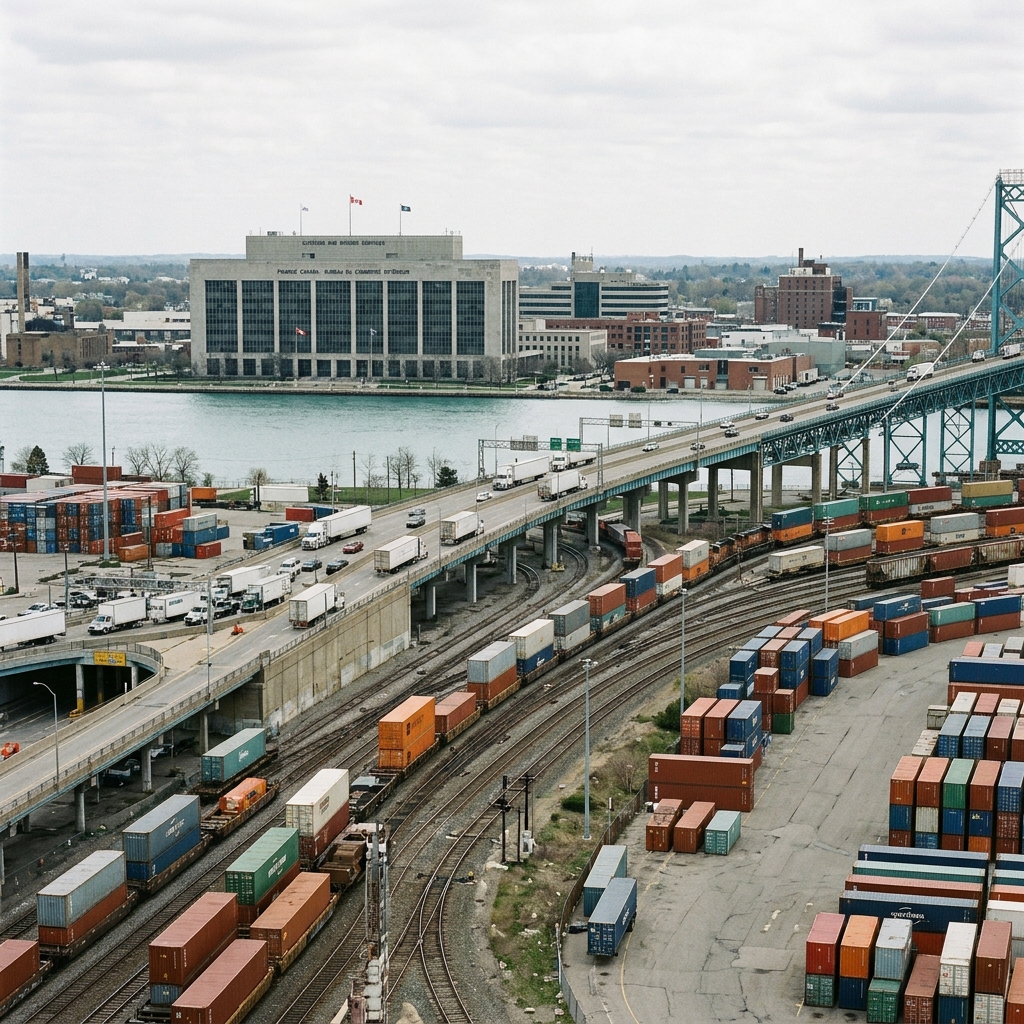
Freight corridors decide which market gets the fish. Live lobster moves by truck to U.S. buyers through the Ambassador Bridge and Blue Water Bridge. Frozen product moves by rail and container through the Pacific Gateway. CPKC and Canadian National compete for container traffic. CBP and CBSA preclearance systems affect transit times. A Chinese order can pull product away from U.S. buyers, but only if air and ocean capacity is available. The seafood trade is a margin business with perishable inventory. Tariff relief changes the price signal. It does not build new planes, trains or cold stores overnight.
4. Carney's 'Billions' Claim Will Be Tested by Chinese Demand and U.S. Retaliation Risk
Carney's diversification argument has political force because Canada's export dependence on the United States is real. Seafood is a small share of total Canada-U.S. trade, but it is concentrated in Atlantic and Pacific communities. A credible Chinese market gives Ottawa a talking point in the broader tariff and regulatory relationship with Washington. It also gives exporters leverage in price negotiations with U.S. buyers. The "billions" claim will be tested by Chinese consumer demand, not by political announcements. China's economy is slowing, and its seafood buyers are price-sensitive. Russian crab and Ecuadorian shrimp remain strong competitors. Canada needs consistent supply and reliable cold-chain service to hold share.
Washington will watch the shift. U.S. trade officials may treat Canadian seafood exports to China as a sign of diversification, or they may see it as a competitive leak in the North American supply chain. The politics of the USMCA review will shape that response. The agreement's joint review is scheduled for 2026. CBP enforcement priorities can change quickly. Canadian exporters should assume more scrutiny at the border, not less. The safe strategy is to comply in both markets. Keep U.S. contracts, maintain Chinese licenses and document every step. A tariff win in Beijing can be lost at a U.S. port of entry.
The next six months will produce the evidence. Watch Chinese customs notices, Canadian Food Inspection Agency certificate volumes, CBSA export declarations and Trans-Pacific freight rates. Watch the Bank of Canada's trade-weighted dollar and the Fed's policy path. Watch CRA guidance on foreign marketing entities. If Chinese demand holds, Atlantic processors will add shifts and Pacific gateways will add cold-chain capacity. If demand slips, the relief becomes a pricing tool for Chinese buyers. Carney has framed the file as freedom from U.S. dependence. The market will frame it as margin, volume and risk. Those numbers will decide whether the "billions" arrive.