1. Wiseman Says Tariff Freeze Is Moving From Rhetoric to Boardroom Budgets
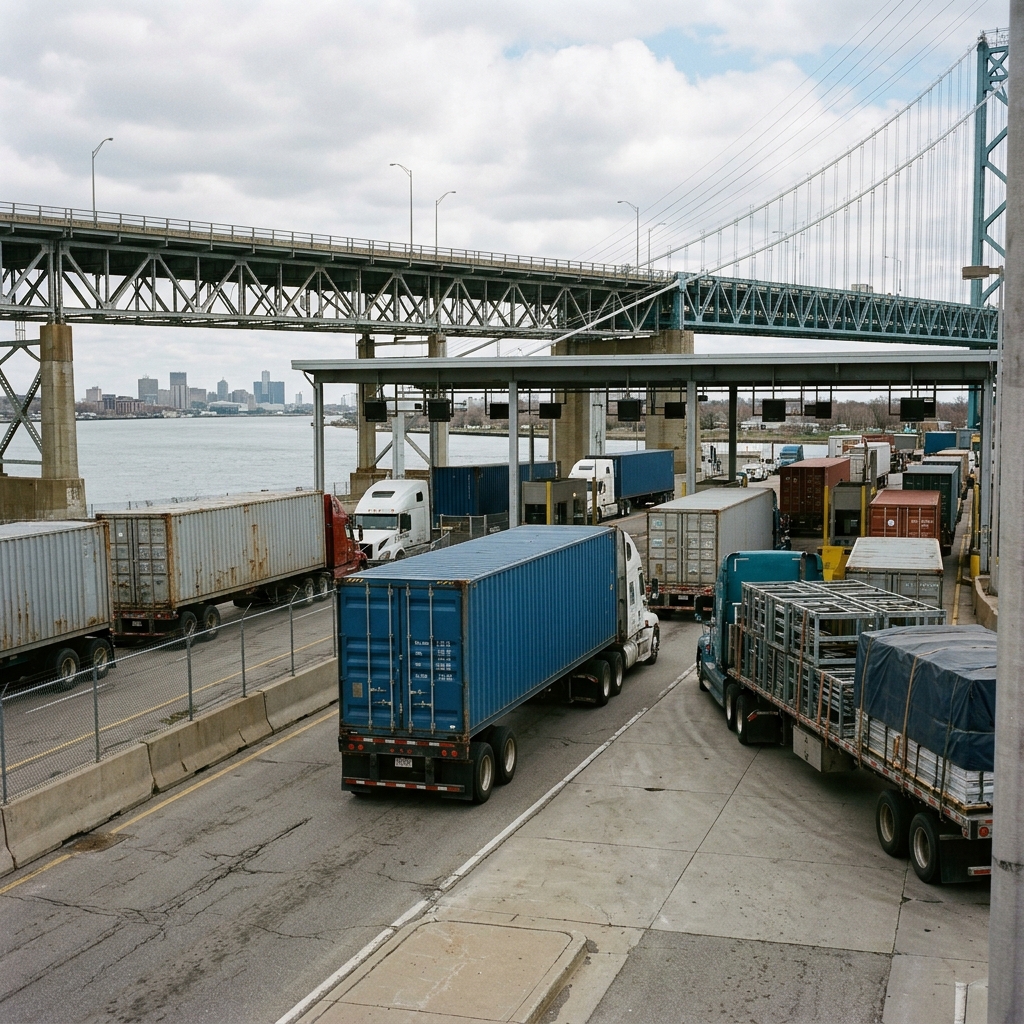
Mark Wiseman, former chief executive of CPP Investments, told Yahoo Finance Canada that the 50% U.S. tariff wall is changing real capital decisions. The warning is blunt. Companies with cross-border supply chains are holding projects that depend on steel, aluminum, auto parts and machinery. Boardrooms that once treated tariff risk as a political headline now put it into hurdle-rate models. The freeze is visible in delayed equipment orders and slower approvals for warehouse and plant expansions tied to the Ambassador Bridge and CPKC rail corridors.
The effect is concrete. A 50% tariff on Canadian steel and aluminum under Section 232 raises the landed cost of inputs for U.S. buyers and the cost of U.S. components for Canadian manufacturers. Suppliers that ship across the Blue Water Bridge or the Pacific Gateway cannot absorb that hit without renegotiating contracts. Several mid-sized firms have paused capital spending until they know whether exemptions or USMCA dispute panels will restore predictable treatment. Wiseman's point is that uncertainty itself is a tax. It widens risk premiums and pushes boards to wait for clarity.
Investment freezes are easy to announce and hard to reverse. A delayed furnace upgrade at an Ontario parts plant or a shelved rail terminal expansion in Saskatchewan costs contractors and equipment dealers immediate revenue. It also weakens the productivity case for new spending when demand returns. Wiseman's warning fits the pattern of 2025 boardroom caution: capital committees want signed contracts, tariff exclusions and financing locked before they commit. The 50% rate gives them a reason to delay. The longer the rate holds, the more projects move from delay to cancellation.
2. Canada's Borrowing Costs Rise as Long Yields and Credit Spreads Reprice Tariff Risk
Canada's borrowing costs are moving in the wrong direction for capital projects. The Government of Canada 10-year benchmark yield has climbed roughly 20 basis points since the latest tariff escalation, according to market participants cited by Yahoo Finance Canada. Corporate spreads have widened for exporters with U.S. revenue exposure. The Bank of Canada can cut the overnight rate, but long yields are set by inflation expectations, federal and provincial issuance and spillovers from the Federal Reserve. A project that cleared a 6% hurdle in January now faces a 7% or higher all-in cost in July.
The Bank of Canada's policy rate is only one input. Pension funds and infrastructure investors price long-dated assets off the 10-year and 30-year curves. When those yields rise, the discount rate on a C$1.2 billion transmission line or a C$500 million cold-storage facility moves higher. The project may still be sound, but the equity return falls below the board's threshold. That is why Wiseman's warning links tariffs and borrowing costs. Tariffs reduce expected cash flow. Higher yields reduce the present value of that cash flow. The two forces hit the same spreadsheet.
Credit conditions are tighter for smaller suppliers. A Tier 2 auto parts maker in Windsor may borrow at a spread of 350 basis points over the Government of Canada curve, up from 275 basis points a year ago. Its bank covenant may require a fixed-charge coverage ratio above 1.5 times. A tariff-driven revenue shortfall can breach that covenant before the plant ever sees a recovery. The result is a credit squeeze that hits before the investment freeze becomes public. Lenders pull back, equipment leases get repriced and expansion plans slip to the next fiscal year.
3. USMCA Paperwork, CBP and CBSA Checks Add Cost at the Border
Tariffs are the headline, but border compliance is the daily cost. CBP and the Canada Border Services Agency require importers to document origin, value and classification under USMCA rules. A steel coil that fails the regional value content test can face the 50% rate even if it crosses at the Ambassador Bridge with a clean commercial invoice. CBSA can assess duties and penalties on the Canadian side. CRA and the IRS add transfer-pricing scrutiny for related-party shipments. Each step adds lawyers, brokers and audit risk to a project's budget.
USMCA dispute panels are the formal relief valve, but they move slowly. A company can file a challenge over rules of origin or Section 232 treatment and wait months for a panel ruling. In the meantime, it must post duties or absorb them. That cash drain is painful for a C$40 million exporter with thin margins. It also affects financing. Banks treat contingent duty exposure as a risk factor and may reduce borrowing capacity. The practical effect is a higher cost of capital for firms that rely on the Blue Water Bridge or Pacific Gateway.
Rail adds another layer. CPKC and CN move steel, auto parts and agricultural equipment across the border under customs bonded procedures. A tariff dispute can strand a railcar at a border yard while brokers correct paperwork. Demurrage and storage charges follow. For just-in-time suppliers, a two-day delay can shut an assembly line. Wiseman's investment warning has a logistics dimension. Companies will not commit to new cross-border capacity when the border itself is a variable cost. They will route around it, delay it or build south of the line.
4. Bilateral Outlook: Investment Delay Meets Fiscal and Political Deadlines
The outlook is not a recession call. It is a capital-spending call. Canada sends roughly C$600 billion of goods and services to the United States each year, and the bilateral relationship supports millions of jobs. A 50% tariff on a narrow set of products can still damage confidence across a wide set of sectors. Finance ministers and central bankers face a difficult mix. The Bank of Canada wants easier credit to support investment. The Federal Reserve's path sets the dollar and long-rate backdrop. Tariff uncertainty limits how much either central bank can do.
Politics sets the calendar. The USMCA joint review is scheduled for 2026, and both governments have reasons to avoid a full-scale rupture before then. Canada wants exemptions restored for steel, aluminum and auto content. The United States wants stricter rules of origin and more enforcement at CBP. A deal is possible, but companies cannot budget on a maybe. That is why Wiseman's warning matters. Investment decisions are being pushed past the review date. A one-year delay in a C$2.4 billion project is a real loss to engineering firms, contractors and local suppliers.
The bigger effect will show up in where companies build. A Canadian manufacturer that needs U.S. customers may choose Ohio or Tennessee for its next plant. A U.S. retailer may keep Canadian warehouses but delay automation spending. Pension funds may shift new infrastructure capital to U.S. projects with less tariff exposure. None of this is a sudden break. It is a slow reallocation of capital away from the border. Wiseman's warning is a signal that the reallocation has started, and borrowing costs are making it cheaper to wait than to build.