1. Lexology Timeline Tracks Tariff Orders From Section 232 To The 2025 Border Actions
Lexology's timeline is a document trail. It is not a political narrative. It starts with President Trump's 2018 Section 232 proclamations, which imposed 25% duties on steel and 10% on aluminum. CBP collected those duties at land crossings and ports, including the Ambassador Bridge and Pacific Gateway. Canada answered with a C$16.6 billion retaliation list under the Customs Tariff. The record includes Federal Register notices, Canada Gazette orders, CBP CSMS messages, and CBSA customs notices. For importers, the first lesson is simple: the effective date on the proclamation controls the entry, not the date on the invoice.
The 2019 removal agreement changed the calendar again. Washington dropped the steel and aluminum duties, and Ottawa withdrew its countermeasures. The documents were a U.S. presidential proclamation, a USTR notice, and a Canadian Department of Finance order. CBP and CBSA issued implementation instructions for entries made after May 20, 2019. That sequence cleared a political obstacle to USMCA ratification. The USMCA entered force on July 1, 2020. Its Chapter 10 rules of origin and Chapter 31 dispute panels became the next layer of the tariff record. Companies that kept entry files from 2018 and 2019 preserved their refund claims.
The Lexology chronology now includes the 2025 executive actions. On February 1, 2025, the White House ordered 25% duties on most Canadian goods and 10% on energy. The order paused on February 3, took effect on March 4, and was narrowed on March 6 for USMCA-qualifying goods. Canada imposed a C$30 billion first tranche of counter-tariffs on March 4 and a C$29.8 billion second tranche on March 13. CBP CSMS messages and CBSA Customs Notice 25-03 set the rules at the border. The documents matter because each exemption and each tranche has its own entry date and refund window.
2. Border Agencies And Tax Authorities Put Tariff Dates Into Operational Code
CBP and CBSA turn legal text into border rules. CBP uses ACE and CSMS to publish entry instructions, HTSUS classifications, and liquidation dates. CBSA uses CARM and customs notices to collect duties and GST/HST at the border. The CRA and IRS enter the picture through income tax deductions, transfer pricing files, and excise tax treatment. A tariff payment is a customs cost, but its tax treatment can change the net cost. The file includes CBP Form 7501, Canada Customs Coding Form B3, commercial invoices, bills of lading, and USMCA certificates of origin. Missing one document can delay a refund or trigger a penalty.
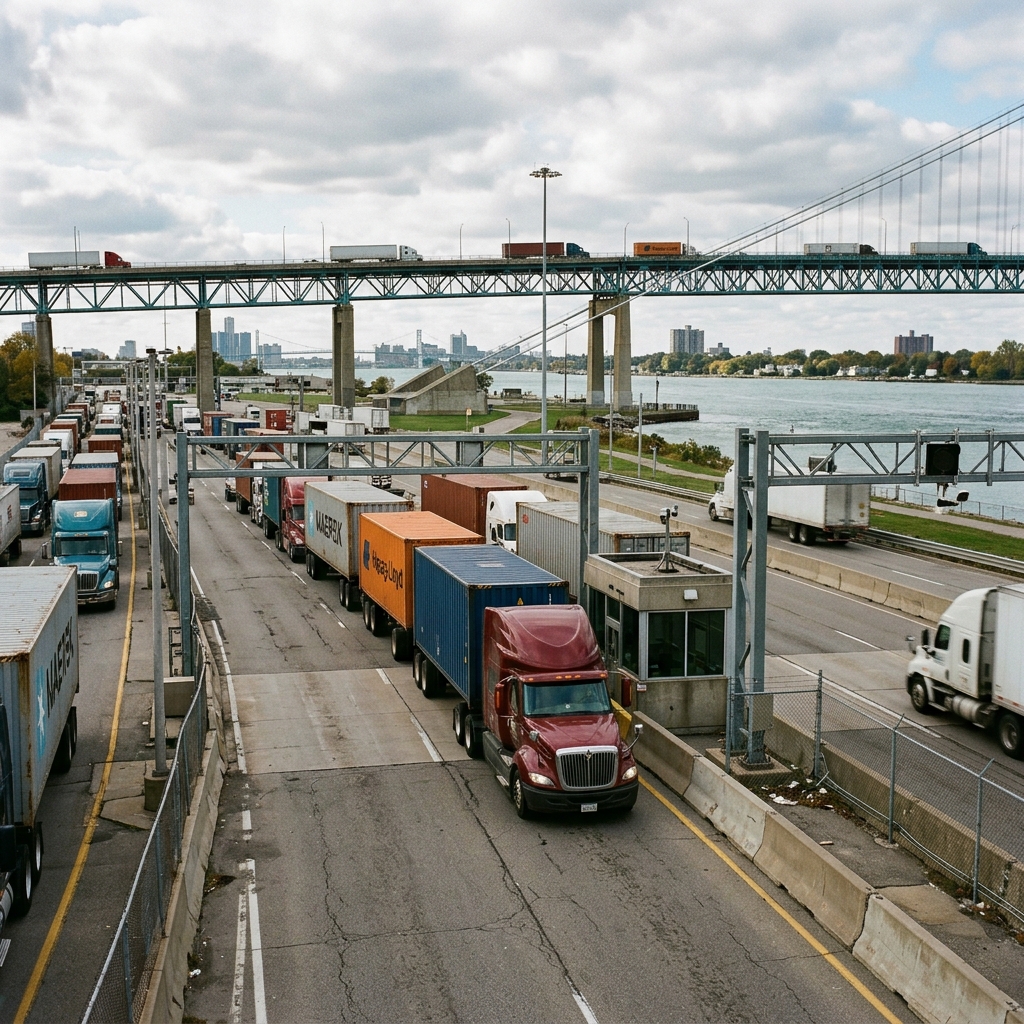
The freight corridors show how the timeline plays out. The Ambassador Bridge carries roughly 25% of U.S.-Canada merchandise trade by value. The Blue Water Bridge handles a large share of auto and chemical shipments. The Pacific Gateway moves containers and bulk goods, while CPKC and CN rail networks move autos, grain, and energy inputs. A 25% duty on a C$100,000 auto parts shipment is C$25,000 at entry. That cost hits working capital before any customer price change. Bank of Canada and Federal Reserve officials watch these border costs because they feed into inflation and rate decisions. A 25 basis point move in policy rates can change the hedging math for importers.
The documents also set the dispute calendar. USMCA Chapter 10 covers rules of origin and customs procedures. Chapter 31 covers state-to-state dispute settlement. A panel request, a consultation notice, and a final report each have deadlines. CBP verifications and CBSA verifications can run for months. Exclusion requests and remission applications add another layer. Canada's remission process under the Customs Tariff can refund surtaxes on goods that meet specific conditions. The CRA can review related-party pricing for cross-border affiliates. Executives need a document retention policy that covers entries, certificates, and correspondence for at least six years.
3. USMCA Rules Of Origin And Dispute Panels Shape Which Tariffs Stick
The USMCA certificate of origin is the main shield against tariffs. For autos, the regional value content threshold is 75% under the USMCA, with labor value content rules and core parts tracing. Steel and aluminum must meet originating rules. CBP and CBSA can verify a certificate years after entry. A valid certificate can exempt USMCA-qualifying goods from the 2025 duties. An invalid certificate can expose the importer to duties, interest, and penalties. The timeline in Lexology shows why the certificate date and the entry date must match. A certificate signed after the entry can still support a claim if the facts support it, but the file must be complete.
Dispute panels matter because they can suspend or modify retaliation. USMCA Chapter 31 panels hear claims that a party breached the agreement. Chapter 10 panels hear rules of origin and customs classification disputes. A panel report can lead to tariff changes, but the process takes months. In the 2018-2019 steel and aluminum dispute, Canada challenged the U.S. duties at the WTO and under NAFTA. The 2019 removal deal ended that fight before a final panel ruling. The 2025 actions have already generated new consultation requests. CBP and CBSA must follow the panel outcome when it changes the tariff treatment. Importers should track panel dockets alongside Federal Register and Canada Gazette notices.
Exclusions and remission are the practical ways out. USTR exclusion processes can remove a product from Section 232 duties. Canada's Department of Finance can grant remission of surtaxes for goods that are not available from domestic sources. CBP can approve post-summary corrections and protests. CBSA can accept B2 adjustment requests and refunds. The paperwork is detailed: product descriptions, HTSUS codes, Canadian tariff codes, supplier affidavits, and costed bills of material. A C$29.8 billion retaliation tranche is not a single line item. It is thousands of entry lines. The companies that win refunds are the ones that treat customs documents as financial records.
4. Executives Face A Calendar Of Compliance Deadlines And Refund Windows
The first executive task is a tariff calendar. Map every effective date to purchase orders, shipping dates, and entry dates. The February 1, 2025 order, the March 4 effective date, the March 6 USMCA exemption, and the March 13 Canadian second tranche create four different cutoffs. Contracts need clear Incoterms, duty allocation clauses, and price adjustment mechanisms. Treasury teams should model the cash-flow hit from duties at the Ambassador Bridge, Blue Water Bridge, Pacific Gateway, and CPKC rail yards. A 25% duty on a 90-day inventory cycle can tie up millions in working capital. Bank of Canada and Federal Reserve rate decisions change the cost of that capital.
The second task is document control. Keep CBP Form 7501, Canada Customs Coding Form B3, certificates of origin, commercial invoices, bills of lading, and supplier cost records in one file. Track CBP protest deadlines, which run 180 days from liquidation, and CBSA adjustment windows. Record the date of each CBP CSMS message and CBSA customs notice. If a product qualifies for USMCA, get the certificate before the entry and verify the regional value content. If a product does not qualify, model the duty and consider an exclusion or remission request. The CRA and IRS may review the same file for transfer pricing and income tax deductions.
The outlook is a calendar with political risk. The USMCA joint review is scheduled for July 1, 2026. That review will cover rules of origin, dispute settlement, and market access. The 2025 tariff actions remain subject to litigation, exclusion decisions, and negotiations. Canada's federal election and U.S. congressional priorities can change the next document in the timeline. Investors should price tariff risk into cross-border valuations and supply-chain decisions. The Lexology timeline is a due diligence tool for boards, auditors, and lenders. It shows that tariff policy is a sequence of legal documents, each with a date, a code, and a financial consequence.