1. U.S. Trade Officials Prepare Countervailing Tariffs on China, EU and Other Producers
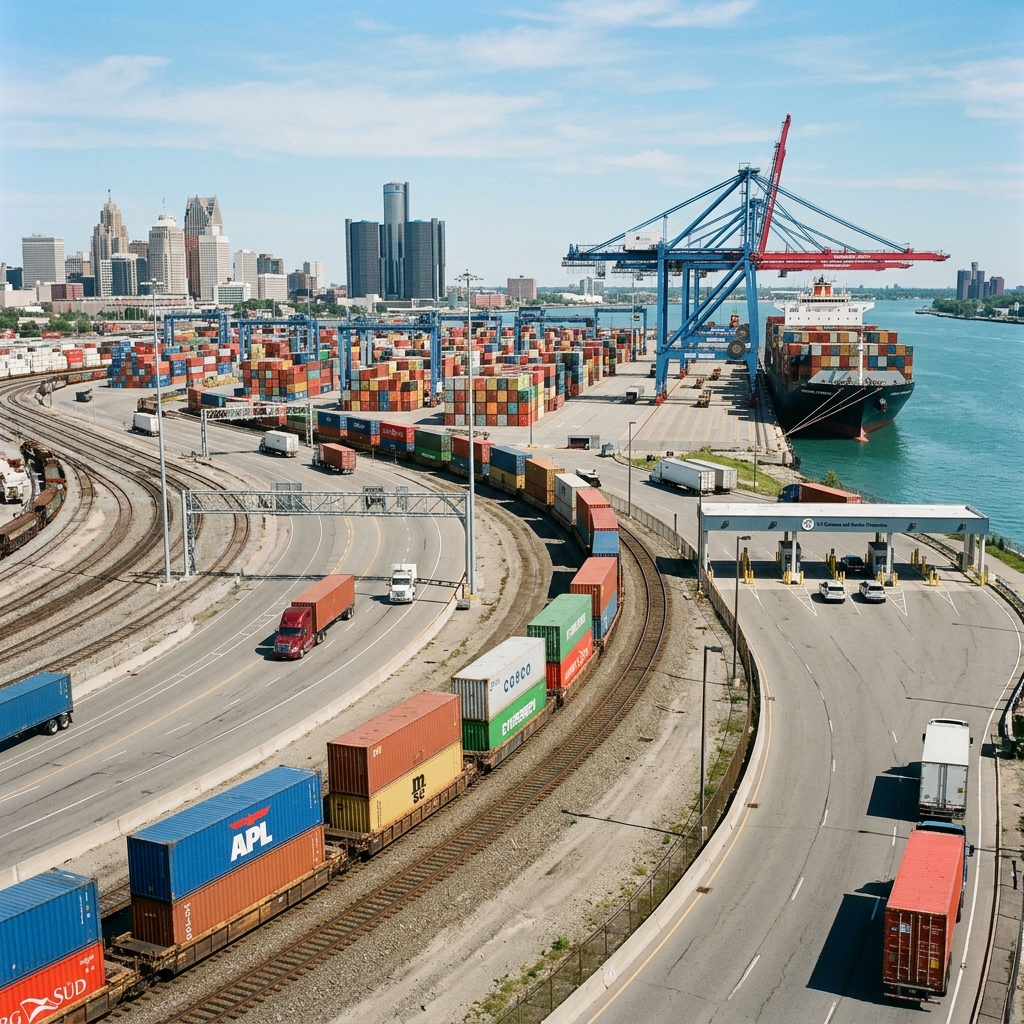
U.S. trade officials are preparing a new round of tariffs on imports from China, the European Union and several other trading partners over subsidized production, according to AP sources cited by Howl.Link. The package would rely on existing legal tools, including Section 301 and countervailing duty cases, rather than a single new statute. USTR and the Commerce Department would set product lists and duty rates. CBP would collect the levies at ports of entry. A 25% tariff equals 2,500 basis points. That cost lands on importers before goods reach U.S. warehouses and factories.
The timing matters. Washington has spent months tightening enforcement against Chinese overcapacity in electric vehicles, batteries, solar equipment and steel. European producers face separate complaints over aircraft, agricultural goods and industrial machinery. AP sources did not publish a final product list, so importers are working from provisional scenarios. The U.S. International Trade Administration would run fact-finding and injury reviews before final duties. Companies can contest findings at the Court of International Trade. Each step adds weeks of uncertainty for freight bookings, purchase orders and hedge positions tied to the U.S. dollar.
The political signal is clear. President Donald Trump has promised aggressive use of tariffs. His advisers see subsidy cases as faster than WTO litigation. The European Union has prepared countermeasures and has challenged earlier U.S. duties at the World Trade Organization. China has warned of retaliation against U.S. agriculture and aerospace exports. For Canada, the immediate risk is indirect. Canadian plants sit inside U.S. supply chains. A tariff on Chinese components or European machinery can raise costs for Canadian buyers even when Canadian goods face no new duty at the border.
2. CBP Entry Systems and USMCA Origin Rules Face Tariff Rollout Test
CBP will handle the day-to-day work. New duties require Harmonized Tariff Schedule codes, origin declarations and cash deposits at the time of entry. CBP's ACE system must match product lists to importer filings. Errors can trigger penalties, post-entry audits and detention at the Ambassador Bridge, Blue Water Bridge and Pacific Gateway ports. The agency collected roughly US$80 billion in duties and fees in recent years, so a new round would test staffing and automation. CBSA faces matching pressure on the Canadian side because exporters must prove USMCA origin for goods that contain Chinese or European inputs.
USMCA rules of origin are the pressure point. Automotive parts must meet regional value content tests. Steel and aluminum must be melted and poured in North America. A tariff on subsidized Chinese components can push a Canadian supplier to source from higher-cost domestic mills or lose U.S. market access. USMCA dispute panels can hear challenges, but panels move slowly. CBP can demand production records, bills of material and supplier certificates. A 10% duty equals 1,000 basis points. That is enough to erase margins on low-margin auto parts moving by CPKC rail and truck across the Ambassador Bridge.
Freight corridors are already planning for volatility. The Ambassador Bridge handles about US$400 million in goods on a typical day. The Blue Water Bridge carries a large share of Ontario-Michigan truck traffic. CPKC's rail network moves autos, grain and chemicals between Canada, the U.S. and Mexico. If importers front-load orders before duties take effect, border queues can lengthen and spot trucking rates can jump. If duties start without warning, volumes can fall. CBP and CBSA need common documentation standards to avoid double checks and costly delays at the border.
3. Bank of Canada and Federal Reserve Weigh Tariff Inflation Against Rate Cuts
Tariffs are a tax on imports. Central banks treat them as a supply shock with uncertain pass-through. The Federal Reserve watches core goods inflation and inflation expectations. The Bank of Canada watches imported input costs, especially for machinery, auto parts and food. A 25% tariff on a US$500 billion import base would equal US$125 billion in annual duties if fully passed through, though exemptions and substitution reduce that figure. A 100 basis point increase in effective tariff costs on US$500 billion of trade equals US$5 billion in annual levies. Both central banks must separate one-time price jumps from persistent inflation.
Rate markets will reprice quickly. A tariff package that raises U.S. consumer prices can push Federal Reserve cuts later. That can strengthen the dollar and widen Canada-U.S. rate spreads. A weaker Canadian dollar raises the cost of U.S. imports for Canadian firms and households. The Bank of Canada may look through a one-time tariff effect, but it cannot ignore second-round wage demands. Basis points matter here. A 50 basis point divergence in policy rates can move hedging costs for Canadian exporters. It can also change the economics of US$1.3 trillion in annual two-way Canada-U.S. goods and services trade.
Tax administration adds another layer. CRA and IRS rules govern deductibility of tariff costs, transfer pricing for integrated North American operations and credits for domestic production. Companies that shift sourcing to avoid duties must document business purpose. CRA can challenge transfer pricing. The IRS can challenge cost allocations. The Canada Revenue Agency and Internal Revenue Service also exchange information under the Canada-U.S. tax treaty. Tariff planning can create tax risk if intercompany prices move without support. Finance teams should model duty costs, tax deductions and cash flow together rather than in separate spreadsheets.
4. Ottawa Weighs USMCA Challenge and Retaliatory List as Tariff Risk Rises
Ottawa has limited direct leverage over U.S. tariff decisions on China and the EU. It still has tools if Canadian goods are caught up in the dispute. Global Affairs Canada can request USMCA consultations and, if needed, a dispute panel. Canada can also prepare a retaliatory tariff list aimed at U.S. steel, aluminum, agricultural products and consumer goods. The 2018-2019 retaliation package covered about C$16.6 billion of U.S. imports. A new list would need CRA and CBSA systems to collect duties and process remissions. Business groups will push for exemptions where Canadian inputs are embedded in U.S. finished goods.
The USMCA review in 2026 adds pressure. The agreement's rules of origin, automotive content tests and dispute settlement chapters are already under strain. A U.S. tariff wave against China and the EU can push Washington to demand tighter North American content rules. Canada wants to protect integrated auto and aerospace supply chains. Mexico wants to keep its export platform. U.S. labor groups want stronger enforcement. A USMCA dispute panel can rule on whether duties violate commitments. But a panel cannot force Congress to change tariff law. The outcome will shape cross-border investment for years.
Investors should watch three numbers. First, the effective tariff rate on U.S. imports, measured in basis points above the pre-2025 baseline. Second, the Canada-U.S. two-year yield spread, because it drives the dollar and hedging costs. Third, daily truck volumes at the Ambassador Bridge and Blue Water Bridge, because they show whether front-loading is real or just talk. A 25% tariff on Chinese and European goods can raise costs for Canadian manufacturers even without a direct Canadian duty. Companies with CPKC rail contracts and Pacific Gateway shipping exposure should test routes, inventory and pricing now.